A pioneering 18th century philanthropist’s legacy is still benefitting children and arts lovers today.
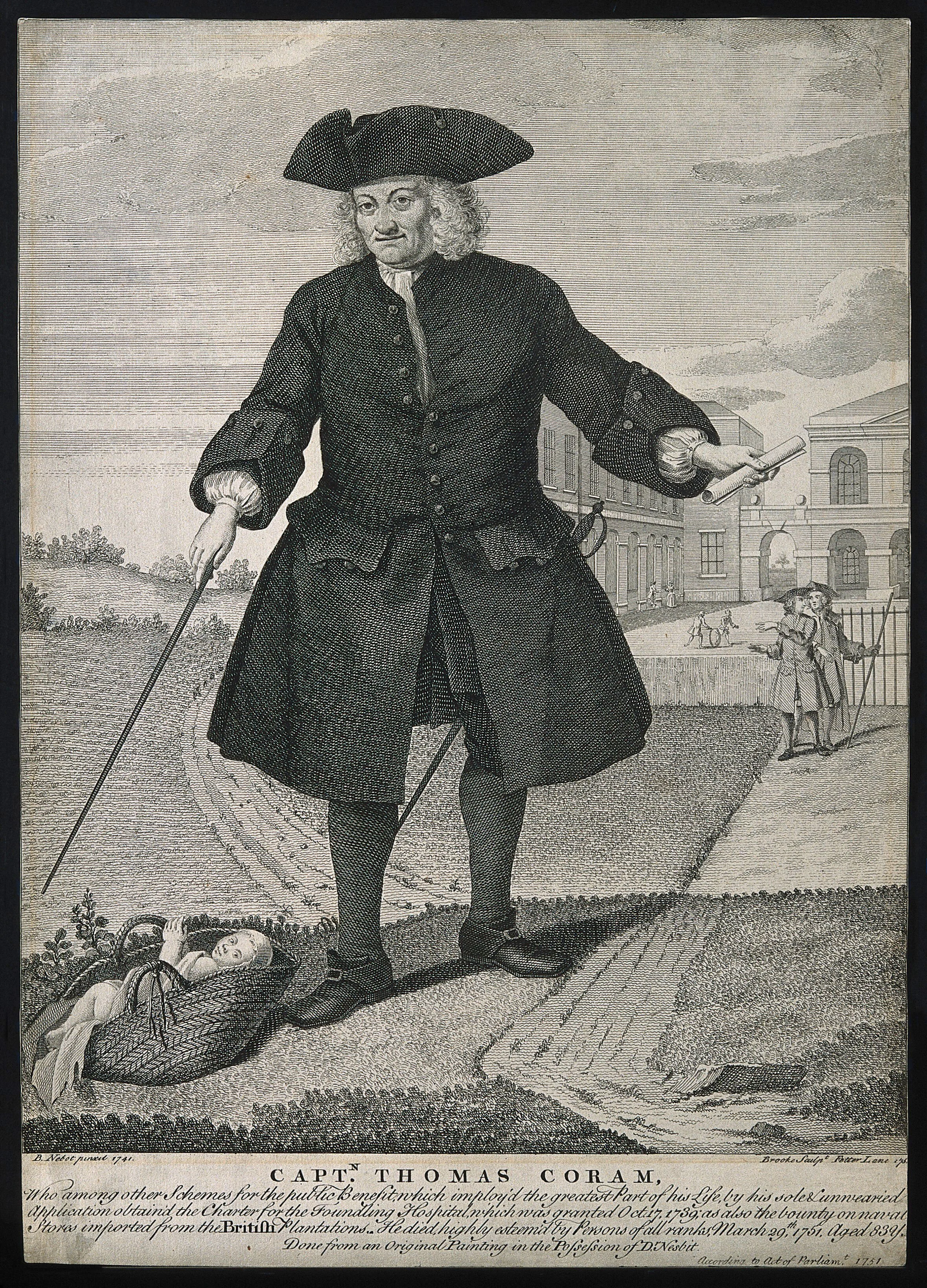
Thomas Coram was a social campaigner driven by exceptional empathy. Returning to London in 1720 after working as a shipwright in Massachusetts, he was horrified by infants left dying on the city's streets.
In Georgian London, extreme poverty, illegitimate births, and a complete lack of social safety nets forced thousands of mothers to abandon their newborns. Parish workhouses were notorious death traps, and prevailing social attitudes viewed destitute children as moral failures unworthy of church or state help. Coram recognised an opportunity to prove that structured, compassionate institutional care could transform vulnerable infants into healthy, productive citizens.
The challenge was immense: he needed to change public hearts, secure royal approval, and raise unprecedented funds. For 17 years, he campaigned relentlessly, eventually securing the backing of influential "Ladies of Quality and Distinction” and subsequently their husbands, whose petition moved King George II to grant a Royal Charter in 1739. Later, King George III continued this royal endorsement, further embedding the institution into British society.
After a long struggle, he secured the support of King George II and prominent contemporary artists to solve this crisis, and in 1739 was able to create the UK's first dedicated children's home - The Foundling Hospital.
The true catalyst for the hospital's financial and cultural triumph was a unique approach to creative philanthropy. Celebrated artist William Hogarth, one of the hospital’s earliest governors, realised the charity needed to attract the wealthy elite. He rallied leading contemporary artists to donate their finest works for social good. Titans of the art world like Joshua Reynolds, Francis Hayman, and Thomas Gainsborough contributed masterpieces to adorn the institution's walls.
This collective effort also established the UK's first public art gallery. For the first time, London's high society flocked to a charity not just to give alms, but to view cutting-edge British art. This creative alliance was further transformed by composer George Frideric Handel, who donated a pipe organ to the chapel and conducted annual benefit performances of his masterpiece, Messiah. These concerts became fashionable social events, raising vital funds annually and proving that art could directly fuel social justice.
The establishment of the Foundling Hospital changed British society, saving and educating more than 25,000 children over two centuries of operation. The outcomes were stark and measurable. Children who would have died on the streets received healthcare, clean clothing, and nutrition, drastically reducing infant mortality.
Furthermore, the Hospital focused on empowerment through education. Boys were trained for trades and the military, while girls were prepared for domestic service, breaking cycles of generational destitution. For the mothers, the Hospital offered a heartbreaking but vital lifeline. When leaving babies, they often left behind tokens—small, personal everyday objects like coins, engraved metal tags, fabric scraps, or hazelnut shells. These tokens acted as unique identifiers in the hope of future reunions that rarely materialised.
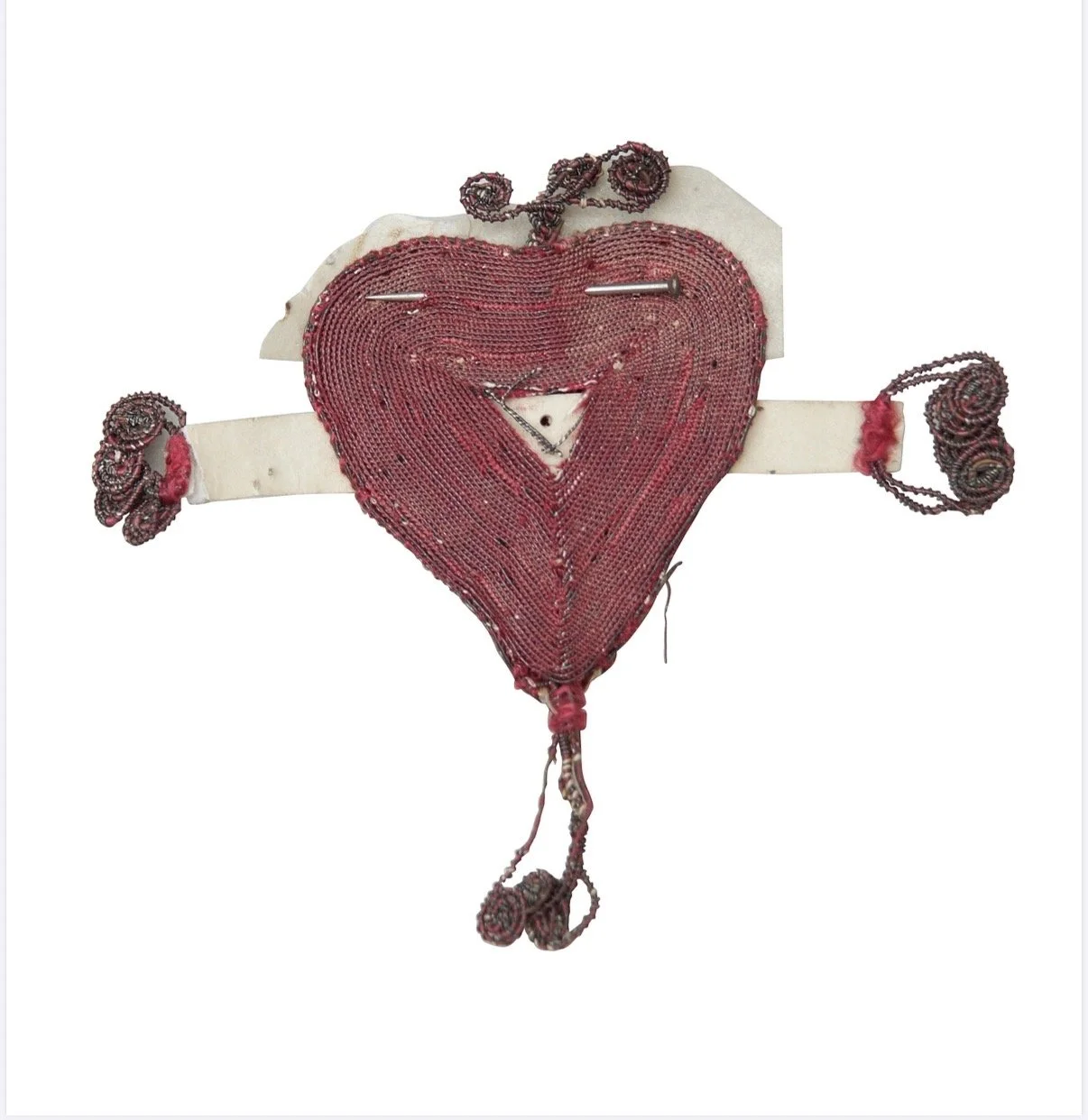
Handmade textile and paper token, Foundling Museum. With permission of Foundling Museum: Photo GG Archard
Today, three independent charities in Bloomsbury share the legacy of Thomas Coram’s radical vision. Coram continues the hospital's original mission through modern fostering, adoption, and family and children’s services. Separately, Coram's Fields provides outdoor children's play areas and a youth club on the former grounds. Meanwhile, the independent Foundling Museum focuses on public education through historical art and tokens from the 1740s to the present. By working directly with care-experienced young people through creative mentorship and training programs, the Museum keeps Thomas Coram’s pioneering spirit alive. The belief that arts, philanthropy, and social justice belong together remains the driving force behind the Museum’s work today, ensuring that the voices of vulnerable children are never forgotten.
Thomas Coram’s story may be nearly 300 years old, but the impact of his philanthropy is still being felt today.
Story submitted by Larissa Joy OBE, who served as Chair of the Foundling Museum between 2015 and 2024.
