Brighter Futures and the Steve Morgan Foundation
Philanthropy has played a pivotal role in creating and supporting a vibrant community-run charity in one of Wales’s most deprived areas.
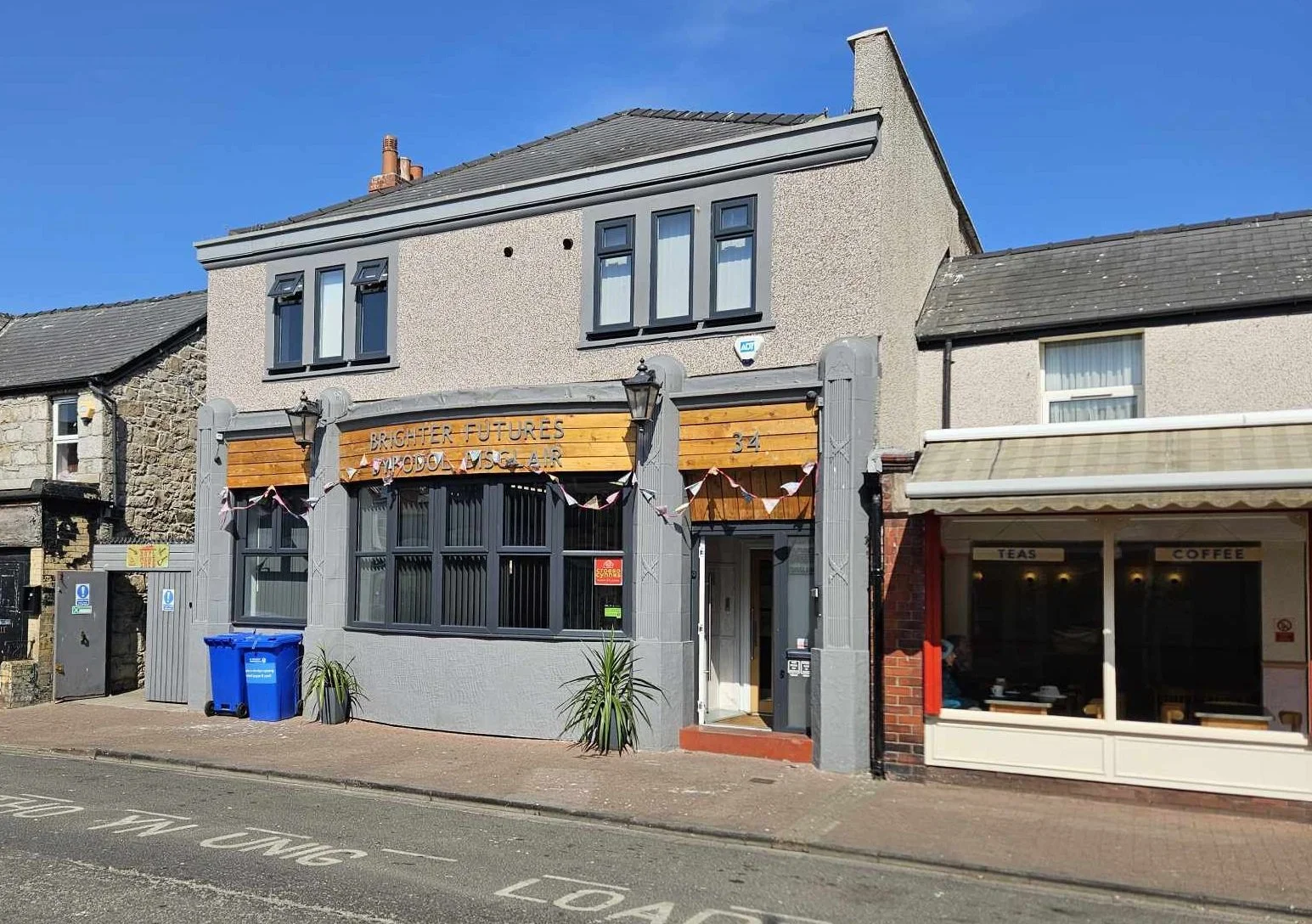
Brighter Futures’ community hub in Rhyl. (Image credit: Brighter Futures).
The coastal town of Rhyl in North Wales was once a vibrant tourist destination, but like so many former seaside resorts around the UK it has seen its fortunes decline rapidly over recent decades. Rhyl’s town centre was named the most deprived area in Wales in 2025 – the second time in six years it has received this unwanted accolade – and people living there face significant challenges in terms of poverty, ill health, poor housing, limited opportunities and mental health.
Despite its many problems, however, Rhyl still has a strong community spirit. A spirit that is typified by the charity Brighter Futures, which has gained national recognition for its efforts to bring local people together and revive the town’s fortunes.
Philanthropy has played a crucial role in the organisation’s story from the outset. It was through conversations with a funder – the Steve Morgan Foundation – that the idea for Brighter Futures came about in 2018, when a group of existing community organisations in Rhyl realized that they were all facing similar challenges, and that working separately was limiting their ability to have an impact on the local area, so they might be better off banding together under a new organization.
The first step was to find a home. As it happened, a few weeks before, a notorious local pub called the Liverpool Arms – which had long been a source of concern for the police and the Local Authority- was shut down and the building put up for sale. It wasn’t necessarily the most suitable fit for the new organisation’s needs, but as Brighter Futures CEO Shane Owen recalls, that didn’t stop them getting slightly carried away:
“In a scene reminiscent of the 1984 movie Ghostbusters, the group’s leaders attended a viewing of the facility and it reminded us of when the ghostbusters discuss the building they are viewing to renovate into their headquarters and how it is totally unsuitable and should really be condemned, only for another team member to slide down a fireman’s pole say “this is great, lets sleep here tonight!”
There was clearly a lot of work to do to make the building usable, but Shane and the others made a conscious decision to do the work themselves rather than commission a builder – in part to keep costs down, but also because it sent an important message:
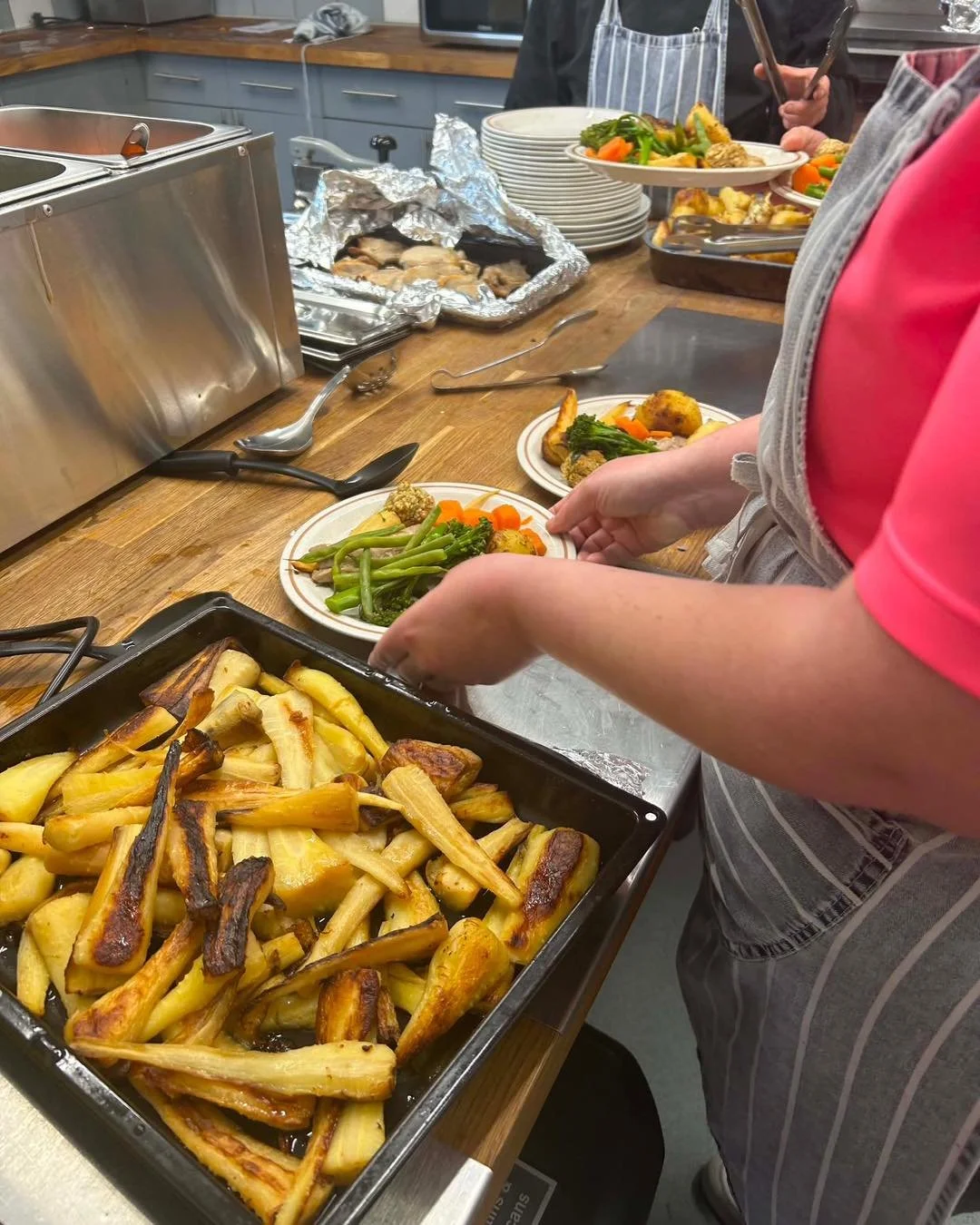
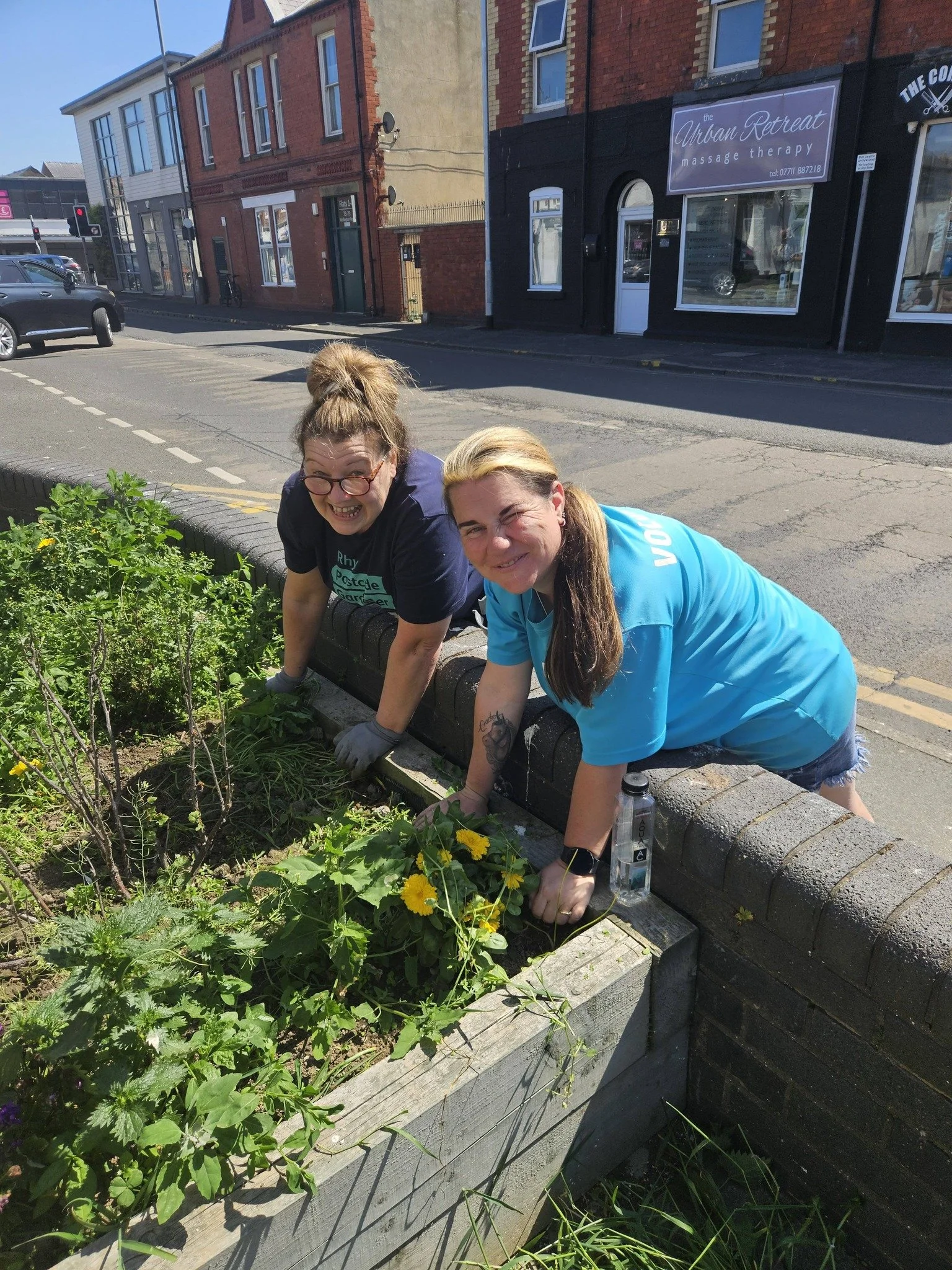
Food preparation and community gardening at Brighter Futures. (Image credit: Brighter Futures).
“That a “rag tag” collective of community groups in the most deprived area in Wales could come together and take on the redevelopment of the worst public house in the town and transform it into a beacon for a Brighter Future on a shoe string budget by involving the whole community in the works.”
This didn’t mean that the centre was done on the cheap – in fact, thanks to the philanthropic support from the Steve Morgan Foundation and others, it was developed to the highest standards of energy efficiency and sustainability. This has enabled Brighter Futures to act as an exemplar when it comes to environmental impact, as well as saving them a significant amount of money on bills.
The hub building has given Brighter Futures a source of income – through running a café and hiring out rooms - but more importantly it has become a vital resource for the local community. People can join different “shed” sessions aimed at men, women or kids; they can come along to a regular ‘repair café’, where their broken items get mended by a team of volunteers; or they can take part in community gardening groups. And as Shane points out, one of Brighter Futures real strengths is that “because we are rooted in our community, we often reach people who might not access formal services.”
Brighter Futures also does a lot of work to bring together and support other local voluntary and community groups. Apart from getting a physical home, organisations which use the hub are also able to share back-office functions – saving them all time and money. There is even a “community fleet” of minibuses, available for local groups to hire at affordable prices. And increasingly, the Brighter Futures team are heading out of the Hub to support local groups elsewhere: offering them training and mentoring if they are at an early stage, or helping them find and take funding opportunities. In a sector where competition for resources is often fierce, this kind of collaboration isn’t always the norm, but as Shane sees it: “The stronger these organisations become, the stronger our whole community becomes. This creates a powerful multiplier effect that benefits far more people than any single organisation could support alone.”
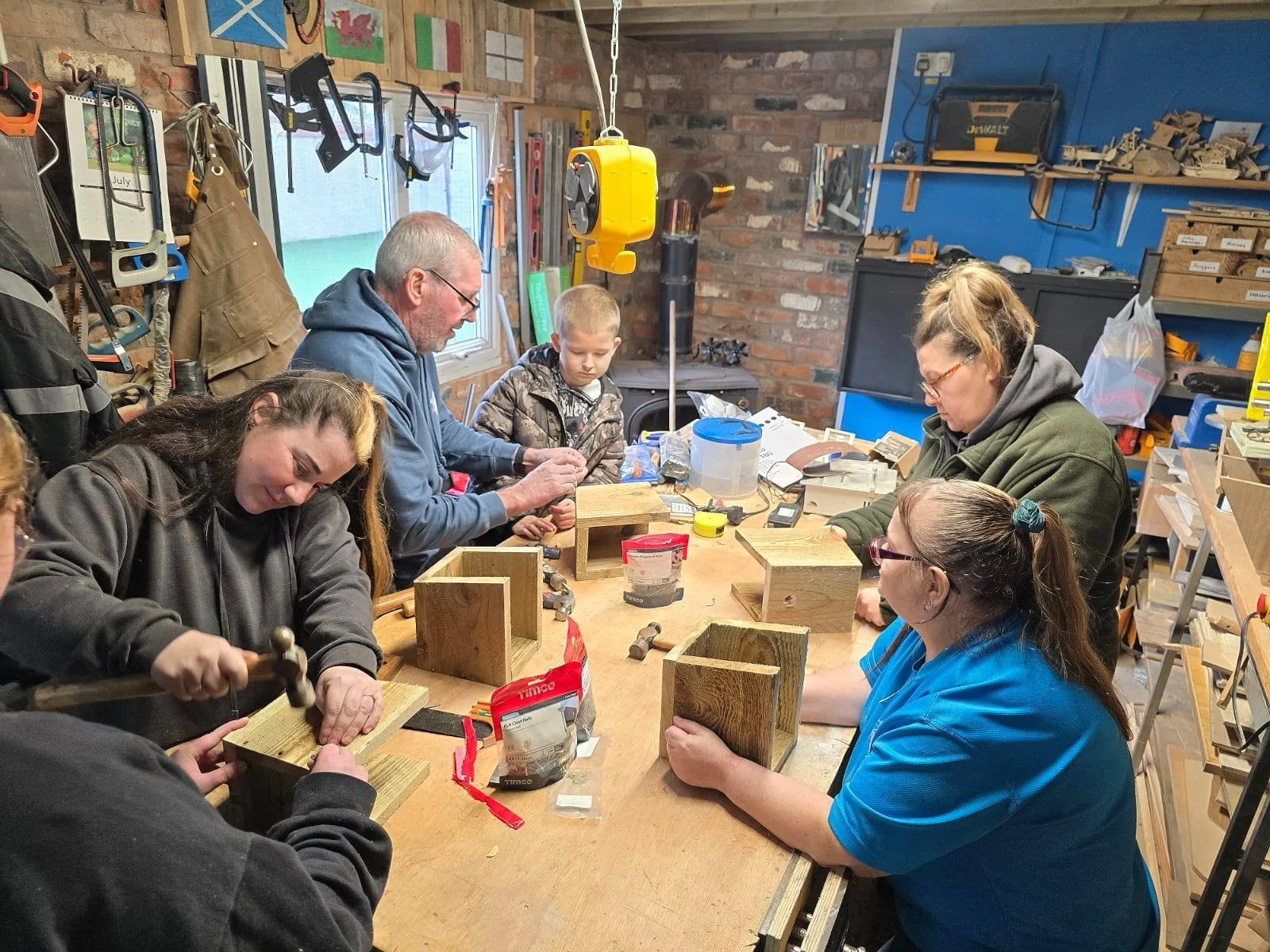
A repair shed session at Brighter Futures. (Image Credit: Brighter Futures).
Brighter Futures still faces plenty of challenges in its work. Many of the social issues in Rhyl are complex and long-term; working successfully in collaboration requires a lot of investment in building relationships of trust; and the systems the charity has to operate can be inflexible and poorly-suited to the kind of holistic work they are trying to do. But despite these challenges, Brighter Futures has already managed to have a real impact on the lives of people in Rhyl, and this has brought them attention at a national level. The charity has had a visit from the Prince of Wales and a meeting with King Charles, and won the Tackling Vulnerability & Exploitation Award at The North Wales Police & Crime Commissioner Awards. They have also managed to attract more support from philanthropic funders like the Neumark Foundation, the Waterloo Foundation, and the Moondance Foundation.
Shane Owen is absolutely clear that none of this would have been possible without the early and ongoing support they received from the Steve Morgan Foundation, which provided something unique:
“For a small community-led organisation like ours, philanthropic support provides something incredibly valuable… the time and space to think, reflect, learn, and grow beyond the place where we first began… This kind of work just simply wouldn’t be possible without the support of organisations that understand and believe in what we are trying to achieve, people we can talk too when times are tough and an external view helps us to adapt… In many ways, philanthropy has allowed Brighter Futures to evolve from a small group of residents seeking connection into an organisation that can help shape and strengthen the future of Rhyl.”