DEBRA
The philanthropic efforts of ex-footballer Graeme Souness have helped to transform the work of a charity supporting people with a rare and debilitating skin condition.
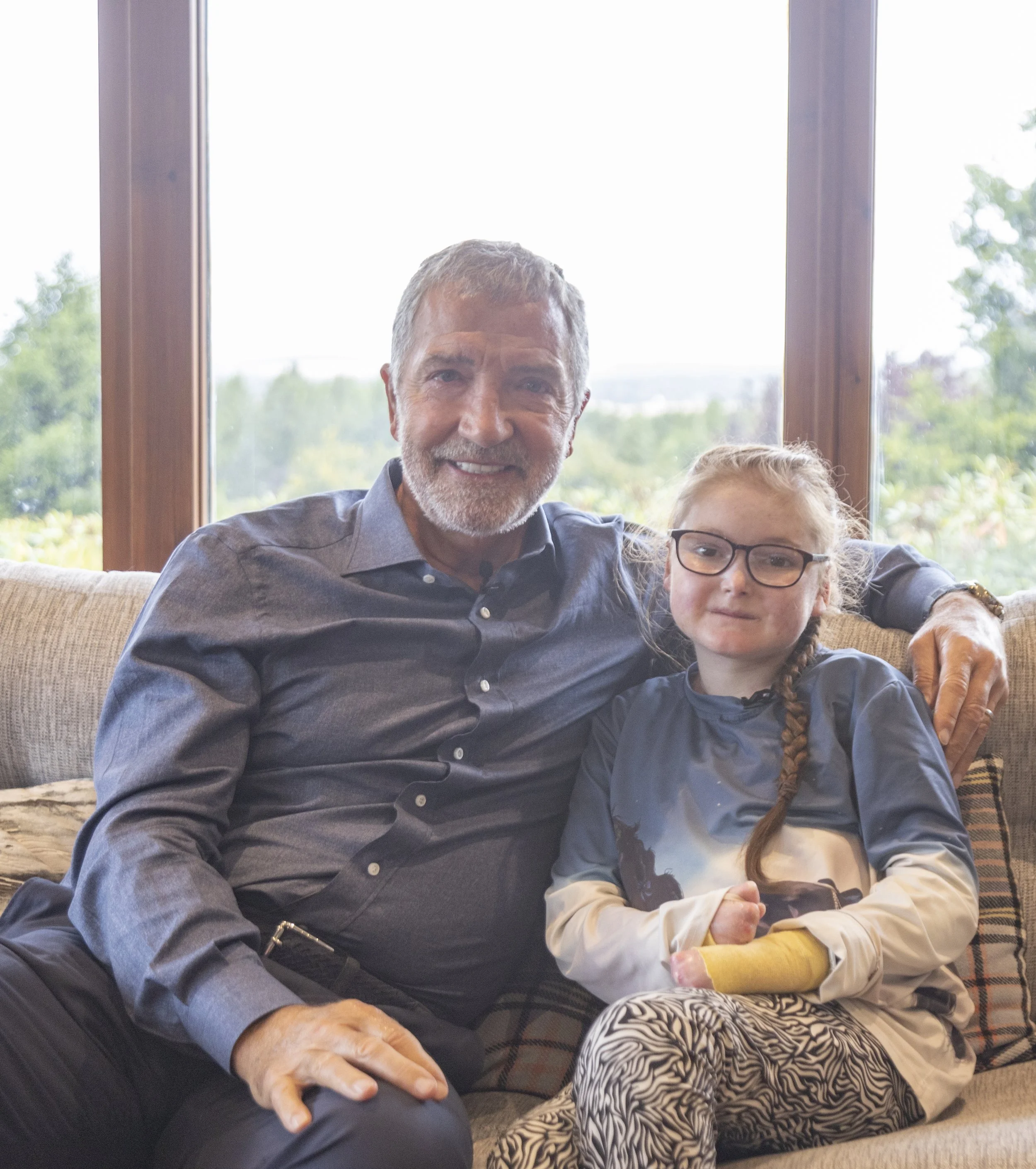
Graeme Souness with Isla. (Image credit: DEBRA)
Epidermolysis Bullosa (EB) is a horrible condition by anyone’s reckoning. People living with the condition have such fragile skin that any small knock or friction can cause it to fall off – hence it is also known as “butterfly skin”. The condition is not common, but somewhere between five and eight thousand people in the UK suffer with it (roughly equivalent to the number of people who suffer from Motor Neurone Disease). And those that do face a life sentence, since the condition is genetic and there is currently no cure.
When it comes to rare medical conditions, charities often play a vital role (alongside the NHS). They can bring sufferers and their families together; they are able to pool knowledge; and they can offer targeted, expert support. In the case of EB, the charity DEBRA has been working for many years to do just this.
One of the ongoing challenges DEBRA faces, however, is lack of awareness. Although EB had a brief moment in wider public consciousness about 20 years ago thanks to the BAFTA-winning Channel 4 documentary “The Boy Whose Skin Fell Off”, this did not last. Unlike MND, which has become very widely known as a result of a number of famous sportspeople like Doddie Weir and Rob Burrow developing the condition, EB has not had high-profile figureheads to raise awareness. But then in 2018 this all changed.
At a fundraising dinner that DEBRA was hosting, the former Liverpool and Scotland football legend Graeme Souness found himself sitting on a table next to a young woman called Myra Ali, who was living with EB. Through his conversation with her, and through the videos shown throughout the evening, Souness came to appreciate what a cruel condition EB is and was deeply affected by it.
The next day, the team at DEBRA received a phone call from Souness, wanting to know what he could do to help. Straight away this led to him becoming a Vice President of the charity (now President), but his involvement quickly deepened when he was introduced to a young girl from Inverness called Isla, who lives with EB and with whom Souness went on to form a strong bond.
Having someone with Souness’s public profile able to raise awareness of EB and of DEBRA’s work was hugely valuable to the charity. He didn’t want to stop there, however, and was keen from the outset to see what he could do to bring in more money to support the organisation’s work too. In 2020, Souness used his deep connections and reputation in the football world to organise a fundraising dinner for DEBRA in Glasgow that brought together high profile representatives of both of the city’s football clubs, Celtic and Rangers: a feat that any football fan will recognise as remarkable, and something that quite possible only Souness could have pulled off.
Graeme Souness had already proved his worth as an ambassador and fundraiser, but before long, his philanthropy would step up to a whole new level. During the COVID19 pandemic, like so many charities, DEBRA had been forced to eat into its reserves. So, when the pandemic finally came to an end, the organisation needed to do something big to get itself back on track. A meeting was set with the DEBRA PR team and Souness to see if he would be willing to help, which is when the idea of swimming the English Channel came about.
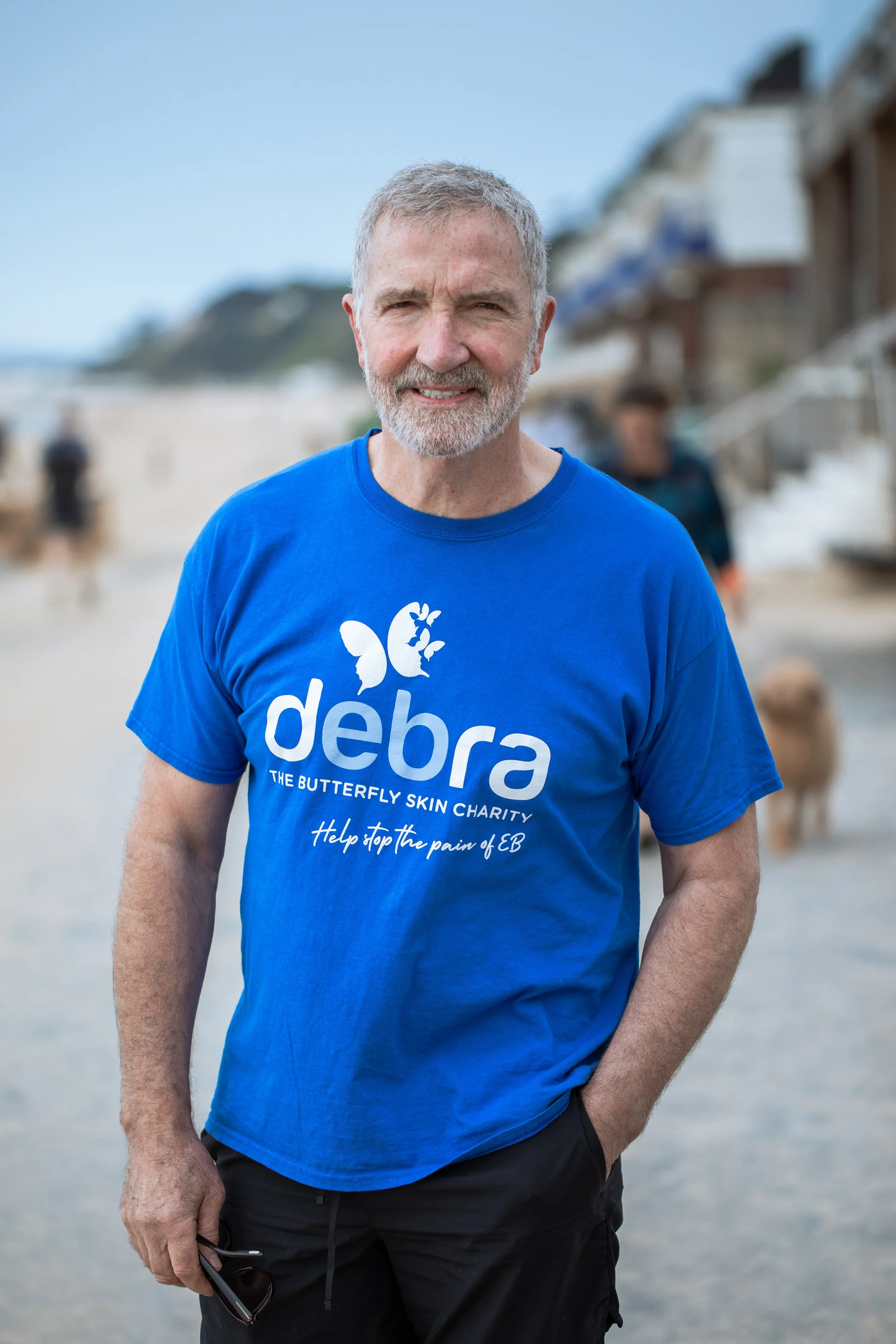
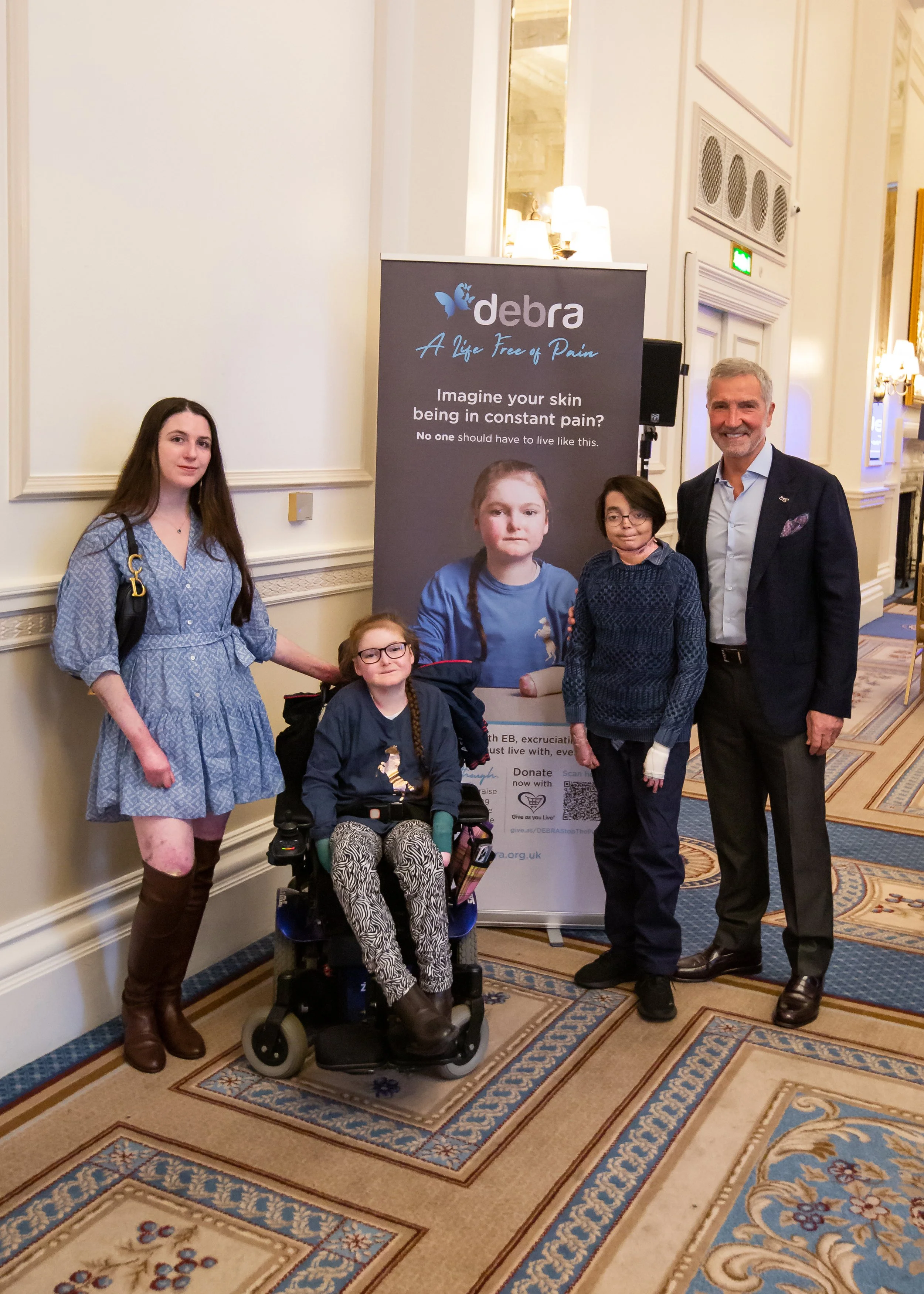
Swimming the Channel is a major feat for anyone, but for someone like Souness – who has a long-standing cardiac condition, it is an enormous challenge. So much so that as he and the charity started to think through how this might all work, there were plenty of times when they doubted it was possible. With support from the British Army Special Boat Services, however, Souness was able to begin planning and training for a relay swim across the Channel. His efforts then got a further boost when Isla father, Andy, decided to come on board for the challenge as well.
To maximise the impact of this fundraising effort it would be crucial to get publicity, so a crucial moment came when Souness appeared alongside Isla on the BBC Breakfast programme in May 2023 to launch the campaign. As both a player and a manager the former footballer was renowned as a no-nonsense hard man, so to see him struggle to hold back tears as he spoke about EB and his work with DEBRA had a profound effect on many of those watching. So much so, that by the end of that first day, the campaign had already raised more than £230,000 from the public.
Souness and his team completed the 30 mile Channel Swim challenge successfully in June 2023 and raised more than £1.6 million in total. Buoyed by this success, they decided to try a new fundraising challenge in 2025: this time swimming the Channel in both directions. Souness’s participation was in some doubt, however, as he required shoulder surgery following the previous Channel swim, and in 2024 was rushed to hospital with chest pains and had to have three stents fitted to his coronary artery. Yet despite these setbacks, he again managed to complete the challenge, raising more than £730,000 in the process.
The money Graeme Souness has raised for DEBRA, as well as the profile he has brought them and the connections he has made possible - has transformed the charity’s work. And as a result, it may transform the lives of EB sufferers too.
In the past, DEBRA focussed solely on supporting those who suffer with EB to manage the condition, but in the last few years the organisation has been able to start thinking bigger and bolder – about what potential treatments for EB might look like. There is still no prospect of a cure for the condition, but DEBRA has been helping to fund studies into whether existing drugs that are already used to treat other conditions could be effectively repurposed for EB patients. The results are still not yet in, but anecdotal evidence so far suggests that the benefits could be enormous. One teenager DEBRA supports, who is part the drug trials, for instance, has been able to reduce the amount of time she needs to spend reapplying her bandages down from 3.5 hours every other day to only 45 minutes per week.
The legendary Liverpool football manager Bill Shankly famously said that football is not a matter of life and death, because it is in fact “much, much more important than that” but for Graeme Souness, another giant of Liverpool football, this clearly isn’t the case. Although he has brought to his philanthropy the same grit and steely determination that characterised him as both a player and a manager, he has also made it clear that he feels the work he is doing now is far more important, because ‘this is life and death, much more important than kicking a bag of wind around.”