Gympanzees
An unexpected philanthropic gift has helped a disability charity in Bristol to realise its dream of building the UK's first permanent facility designed by, for and with disabled children and young people.
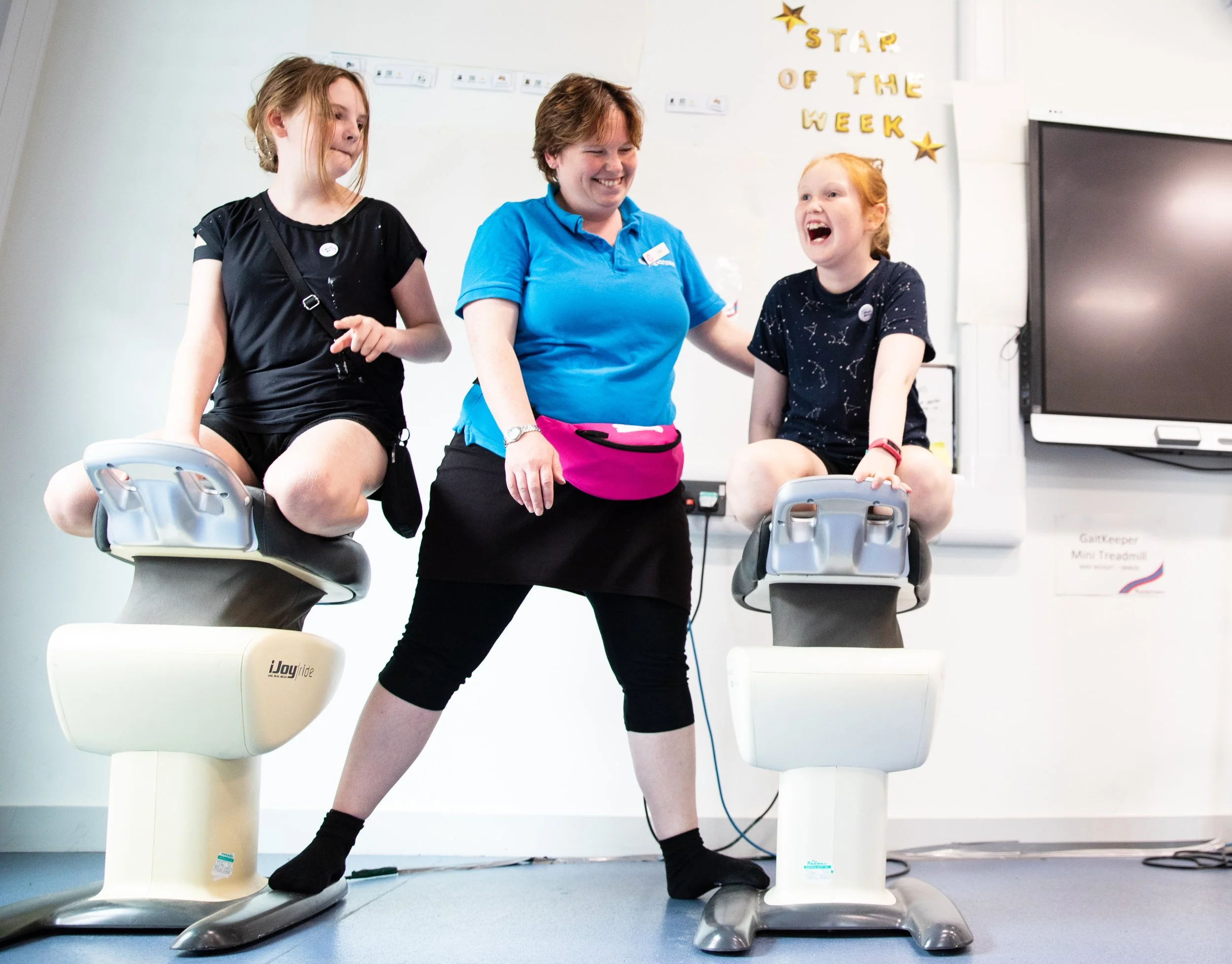
Children using Gympanzees specialised play equipment. (Image credit: Gympanzees).
Gympanzees is a multi-award-winning charity based in Bristol providing play and exercise for disabled children. Like so many charities, it came about because someone realised that important needs weren’t being met and that the only way to fix the problem was to do it themselves.
In this case, that someone was Stephanie Wheen. Back in 2016, when working as a paediatric physiotherapist, Stephanie found that whenever she would set families the challenge of finding more interesting places to do physio exercises with their disabled children - like playgrounds or trampoline parks - they would invariably report back that nothing suitable existed. Although some facilities set aside certain times of the week for “disability friendly” sessions, the equipment was never properly designed with accessibility in mind; and for many children with multiple, complex needs it was a total non-starter.
So, Stephanie decided to do something. She did extensive research, including over 60 interviews with parents of disabled children about their sometimes-shocking experiences of trying to use existing leisure facilities. She also held focus groups, talked to care workers, teachers and therapists; and visited disability groups, youth clubs and schools.
This led to the development of a series of pop ups between 2018 and 2024, where Gympanzees would hire out special needs schools during the holidays and refit them with their own equipment to make them fully accessible to children with a wide range of disabilities. The response was overwhelming: they had nearly 30,000 visits, including some from families who had travelled 8 hours just to be there. People clearly liked what was on offer too; feedback surveys showed incredibly high satisfaction ratings. But perhaps even more compelling than the stats, according to Gympanzees’ Fundraising Director Jack Lewis, were some of the individual stories of the children who had come along to the pop ups and the difference it had made to them:
“A 3-year-old boy called Max, who had previously had a really upsetting experience of being asked to leave a trampoline park, had his first laugh outside of the house at one of our pop-ups. We also had 12-year-olds whose parents told us they slept through the night for the first time after one of our sessions, because their sensory needs were met. And we had an 18-year-old stand up unaided for the first time from her wheelchair.”
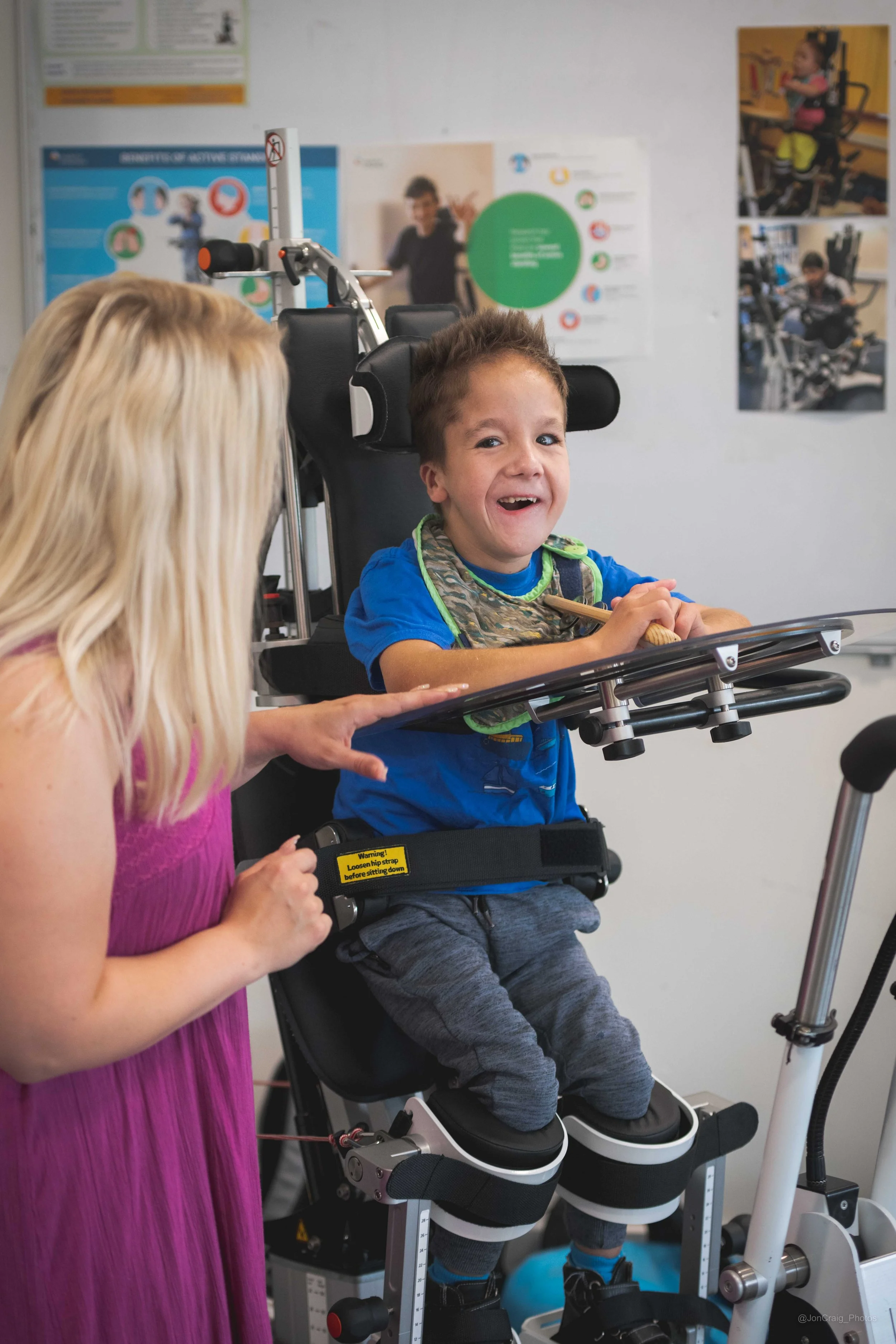
A participant in one of Gympanzees popup sessions. (Image credit: Gympanzees).
It was clear there was a need, and the work Gympanzees was doing was helping to meet it, but Stephanie and her team soon realised that they needed to think bigger, so they began to develop plans for a permanent home. In 2023 they found the perfect site: a 43,000 sq. ft former service station next to the old Severn Bridge in Chepstow. The charity was able to secure a £2.2 million pound loan from Triodos Bank, but they still needed another £900k to reach the asking price. This is the first time philanthropy made a difference, as thanks to links they had been able to develop in and around Bristol, Gympanzees successfully raised the remaining money from a number of local wealthy donors.
Of course, buying the building was only the start, as now the real challenge of raising the additional funding to do the work required to turn it into the groundbreaking play facility they envisaged had to begin. To make this happen, Gympanzees launched “Project Home”, with an ambitious goal of raising a further £8 million. And this is where philanthropy enters the story again.
The charity’s hugely successful pop up events had been featured on local TV and, without them knowing it, a wealthy person who lived not far away had seen the item and been really struck by it. They asked their family office manager to get in touch and see what could be done to support Gympanzees’ work. This led to a donation of £950K, with the aim of providing a cornerstone for the Project Home appeal, whilst also providing the charity with resources to invest in additional fundraising capacity.
This investment in fundraising certainly paid off, as over the next three years Gympanzees was able to secure further support from a range of philanthropists and foundations – including the National Lottery Community Fund, The Julia Rausing Trust, The Nisbet Trust and the John James Bristol Foundation. Some of these grants and donations were unrestricted (i.e. they can be spent on anything), whilst others are for particular rooms or specific pieces of equipment in the new centre. Thanks to all of the support it has garnered, Gympanzees is now well on track to achieve its fundraising goal, and the flagship centre is due to open in June 2026.
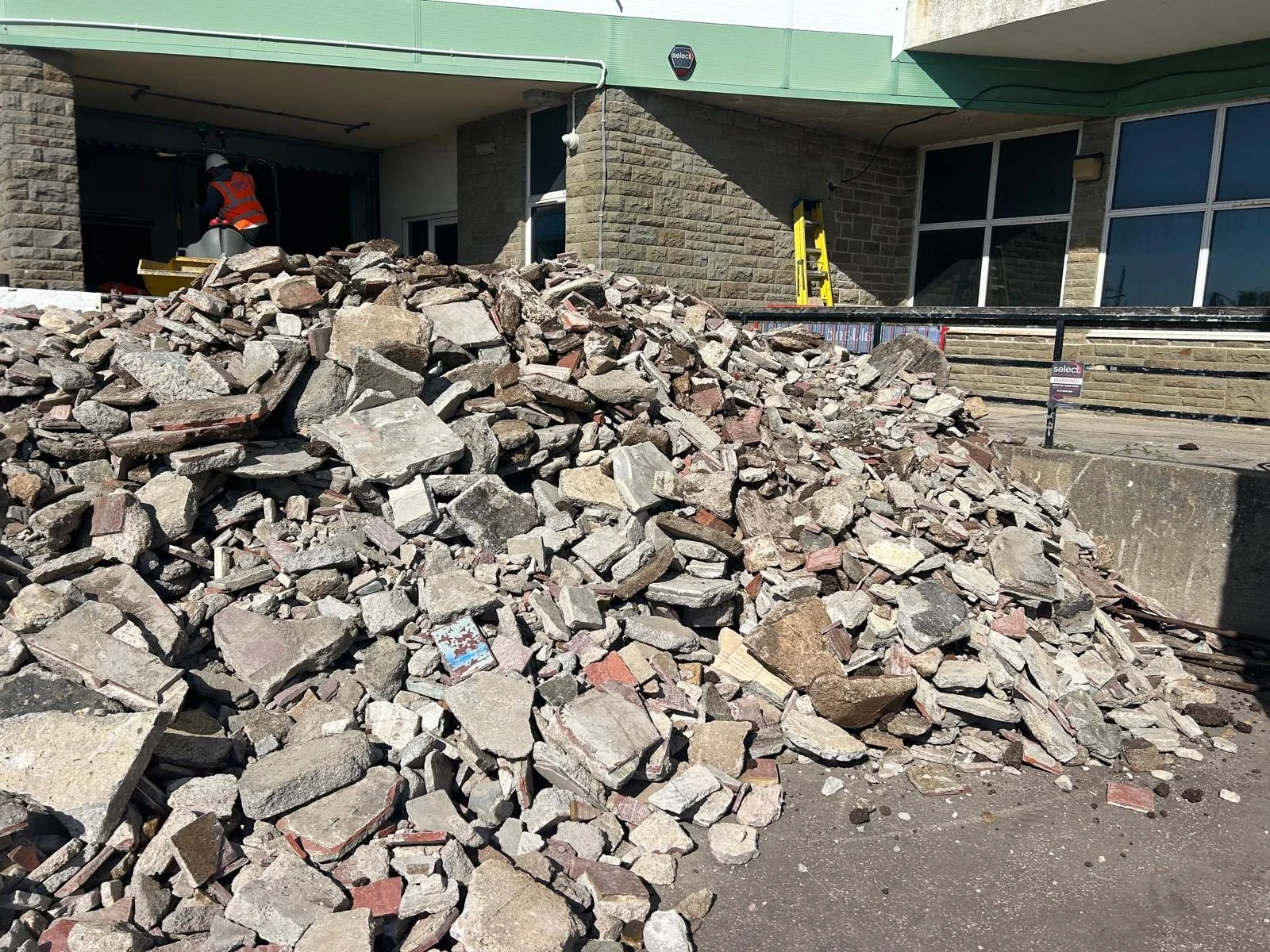
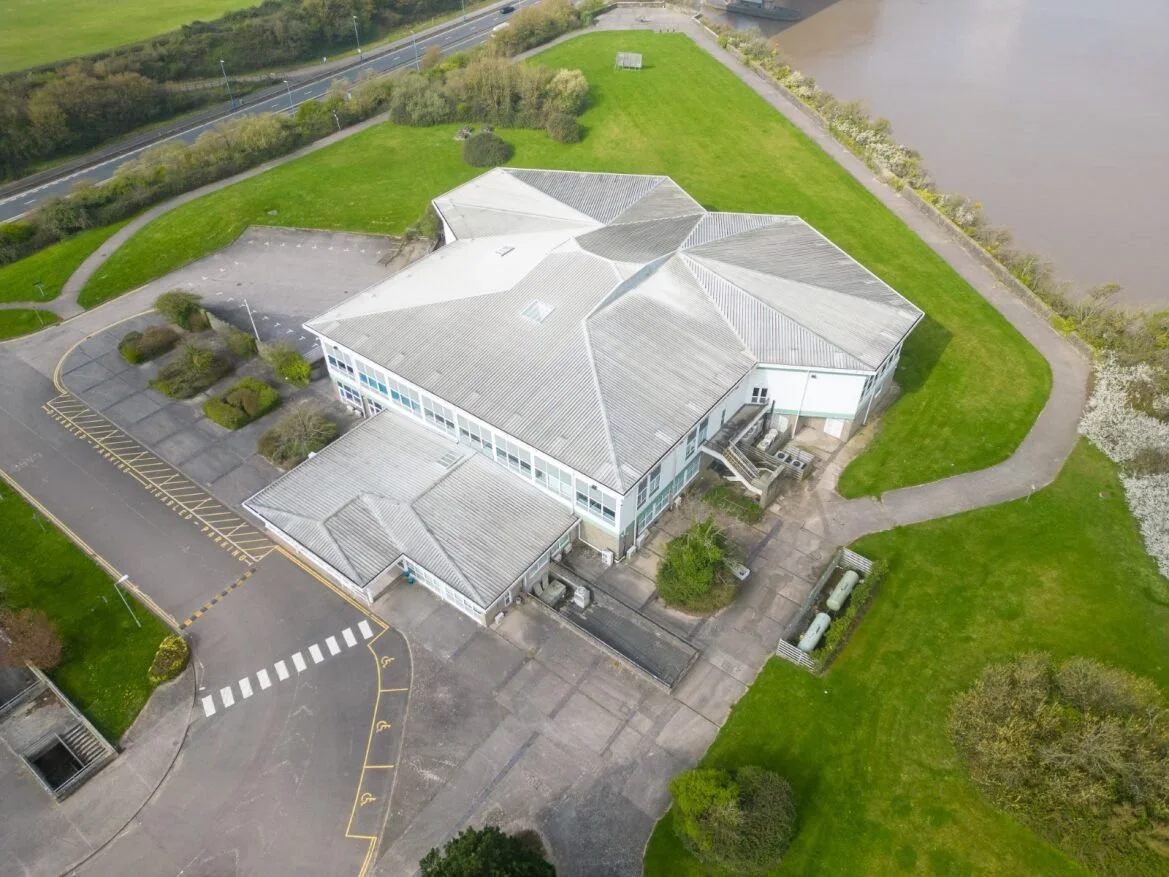
But this is not the end of the story. In fact, it is very much just the beginning. Once the new play centre is up and running, the charity has plans to add a range of new therapy suites and to develop 5 acres of woodland that came with the site into a fully accessible outdoor space. They are also going to open a café and a shop which should mean that the centre is self-sustaining by 2030.
There are also ambitions to expand beyond the South-West. As Jack Lewis explains, the long-term aim is to open 12 more centres around the UK by 2040, so that eventually “no disabled child would have to travel for more than an hour for their hour and a half of fun”. There is a real wellbeing cost to the current lack of provision, as the 1.5 million children with disabilities in the UK face particular challenges with loneliness and isolation. There is also a wider societal and economic cost, as the parents and families of those children are often forced to make sacrifices that result in them working or earning less. Having access to safe and suitable play facilities won’t solve all of these problems, but it could make a big difference to the lives of these families, and have profound knock-on effects.