National Gallery
The UK’s National Gallery is moving forward with bold plans for a new wing and expanded collection thanks to not just one, but two, of the largest monetary donations to a museum or gallery anywhere in the world
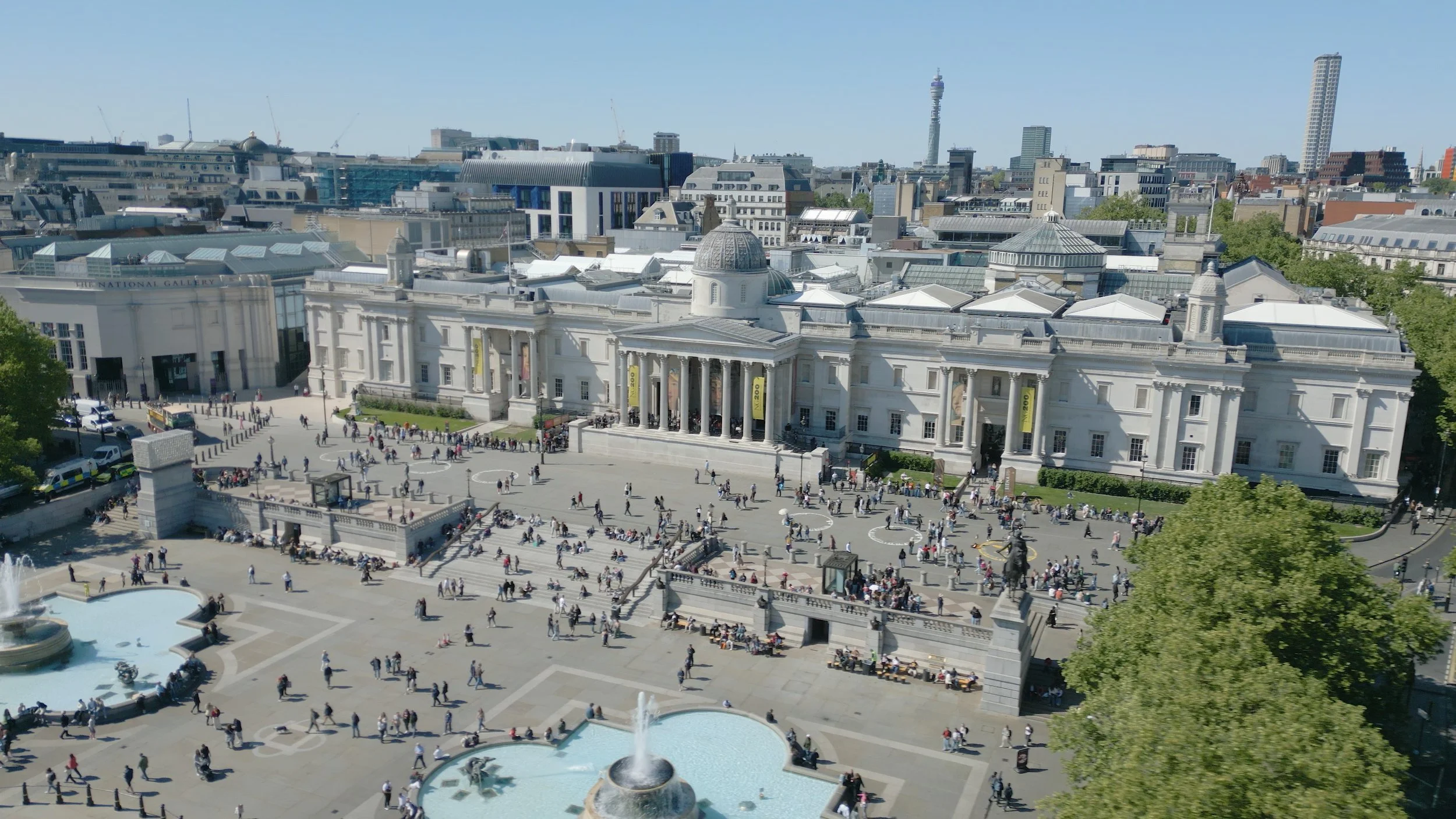
National Gallery drone shot. (© The National Gallery, London)
The National Gallery has been a central feature of the UK’s cultural landscape for over 200 years. It houses one of the greatest collections of paintings in the world – including many famous masterpieces – and plays a key role in ensuring the UK is at the forefront of arts and culture on the global stage.
For the Gallery’s Chairman, John Booth, the 2024 Bicentenary provided a clear opportunity to celebrate the organisation’s work to date. One of the centrepieces of this was a series of loans of major artworks to other galleries around the UK, to reconnect people with the idea that this is their national collection. But there was also an opportunity to look ahead as well, culminating in the Gallery’s launch of an ambitious new plan for the next century: Project Domani.
At the heart of Project Domani is the creation of an entirely new wing of the National Gallery, billed as “the largest transformation since the Gallery’s formation in 1824”. This will be designed by the acclaimed Japanese architect Kengo Kuma — his first building in London — with a strong focus on environmental sustainability, and an eye on the role the building can play as a catalyst for further reinvigoration of the surrounding area. The additional space will allow the National Gallery to make even more of its existing collection, but it will also be accompanied by a significant push to expand the collection – including extending its historic collection beyond 1900 for the first time.
Of course, this scale of ambition does not come cheap: the estimated cost of Project Domani is around £750m. In the current landscape of funding for arts and culture there is little prospect of Government support for this kind of capital investment, so John Booth and his colleagues knew that they would have to turn elsewhere; and that philanthropy would need to be a big part of their thinking.
Luckily, at that time the National Gallery had recently begun a conversation with the Welsh-born tech investor and philanthropist Sir Michael Moritz about his long-term plans. When Moritz heard about the National Gallery’s ambitions to expand its remit into the 20th century, the conversation quickly turned to how he might be able to support their efforts. After conducting rigorous due diligence, as you would expect of a highly successful venture capitalist, Moritz was confident the National Gallery was in a position to deliver on its plans, and pledged to make a very substantial initial donation from his Crankstart Foundation, on the condition that this could be matched from other sources.
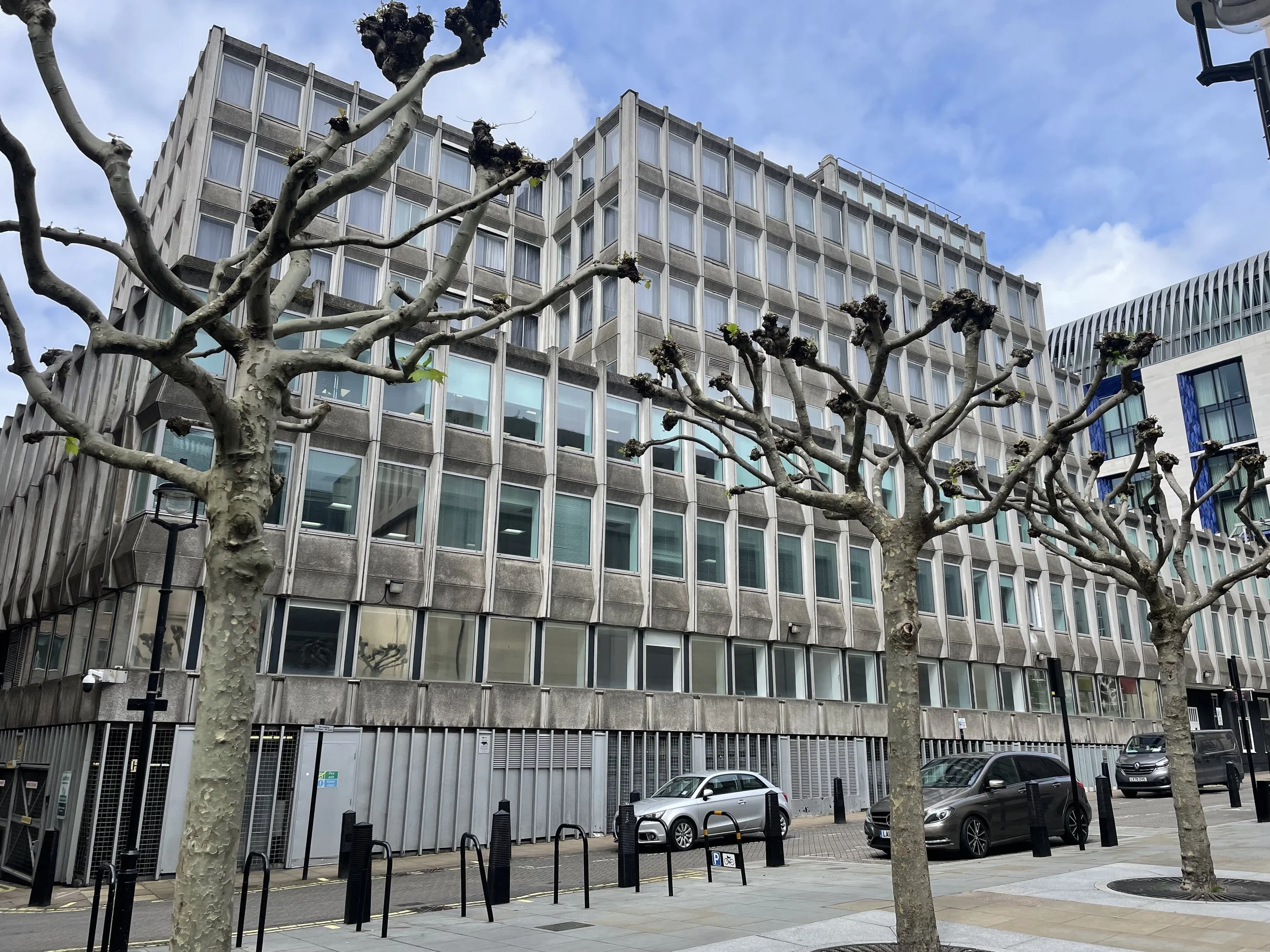
St Vincent House. (© The National Gallery, London).
This would be no mean feat, as the size of gift proposed was well beyond the normal scale of philanthropic gifts in the UK. However, the National Gallery was about to have another stroke of luck. John Booth was at the Chelsea Flower Show supporting the work of another charity he had recently chaired, The King’s Trust, when he bumped into the philanthropist and Tetra-Pak heir Sir Hans Rausing. Rausing had recently set up a major new Trust named after his late wife, Julia, and was reflecting on projects to honour her memory. Julia Rausing had been a passionate long-term supporter of the National Gallery, so the decision to support Project Domani was an attractive one, and Hans Rausing wasted little time in committing the new Trust to match Michael Moritz’s gift.
An astounding £300 million had now been raised from just two donors! And thanks to a handful of additional gifts, including a sizeable donation from Booth himself and some money from the existing National Gallery Trust, when the gallery’s plans were finally made public, it was able to announce that £375 million had already been secured – halfway towards its target of £750 million.
Of course, that still leaves a long way to go, and raising the second half of the money may well be far harder. The chances of securing any more gifts on the scale of Moritz’s or Rausing’s in the UK seem slim, given that gifts of this size are far from the norm, so Booth and his colleagues at the National Gallery have plans to take their Project Domani fundraising ask to the US, in the hope of attracting interest from major American philanthropists who have an interest in the arts and in the UK.
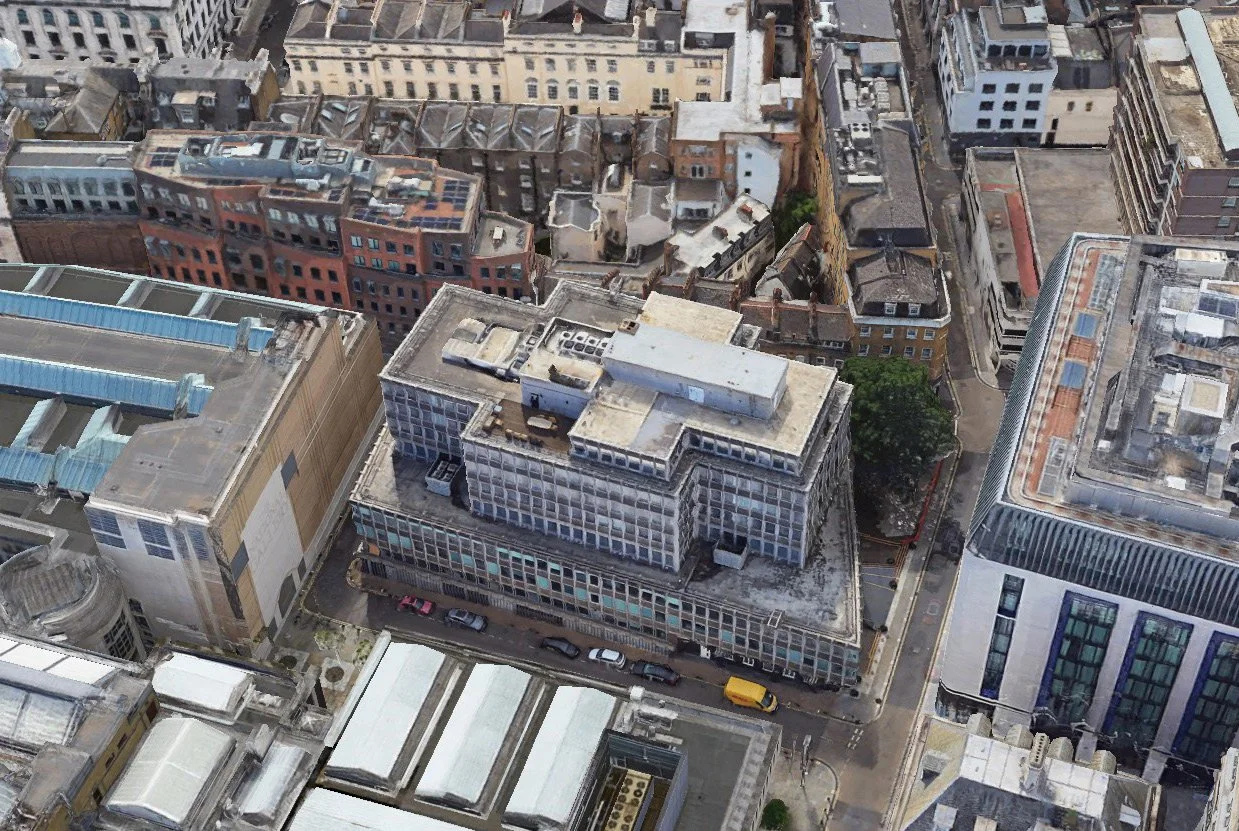
St Vincent House (aerial shot). (© The National Gallery, London).
There remain operational challenges: the National Gallery recently undertook a programme of voluntary exits in to avoid a structural deficit, highlighting the fact that the present global landscape and the cost-of-living crisis have meant that all arts institutions are facing increasing competition for people’s — and the Government’s — financial support.
The Gallery’s plans to expand its collection to include 20th century paintings – which, under a now expired agreement had previously been left to the Tate galleries – have also ruffled some feathers, which could bring additional challenges further down the road, although both institutions have agreed to collaborate as custodians of the national collection.
In terms of the potential impact of Project Domani, apart from the inherent value of great works of art for their own sake, there is a growing body of evidence highlighting the benefits that access to arts and culture bring in terms of health, wellbeing, aspiration and social mobility. There is also likely to be a clear international benefit to the UK, in the form of the status and soft power that comes from a flourishing cadre of world-leading cultural institutions. Alongside all of these benefits, John Booth suggests that the fact that National Gallery has announced two of the largest ever financial donations to a gallery or museum anywhere in the world is already having a knock-on effect on UK philanthropy - encouraging other donors to raise their game. Michael Moritz’s gift was visionary in this respect and could prove to be a defining part of the project’s legacy.