Heal Rewilding
Philanthropy is helping nature to thrive at a rewilding project in Somerset – the start of ambitious plans for a network of accessible rewilding sites across the UK
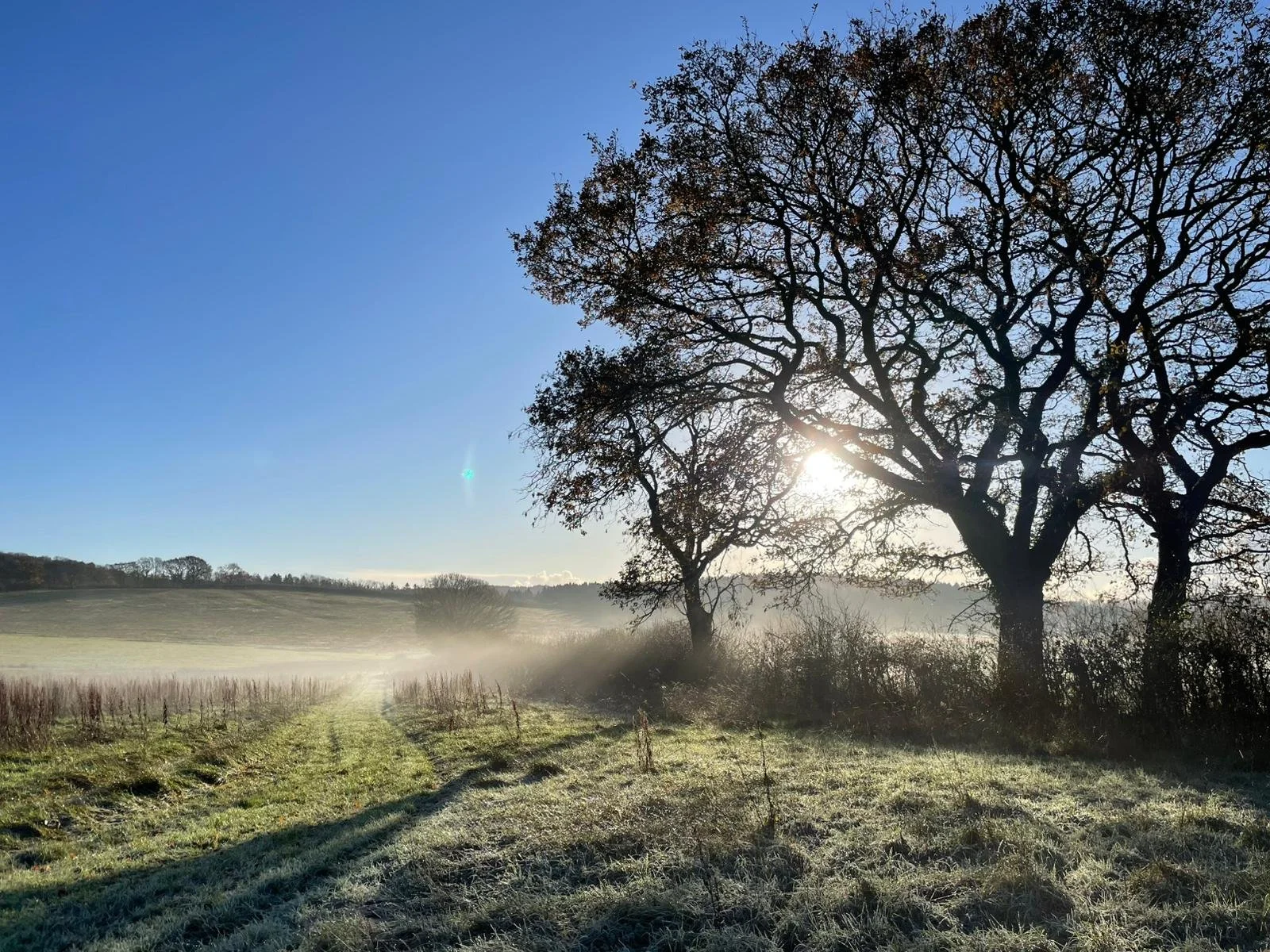
Heal Somerset December 2025 (Image credit: Heal Rewilding).
The UK has long prided itself on being a nation of animal lovers. But whilst we may value our pets, we do not always appear to show the same level of care when it comes to our wider natural environment. Long term patterns of habitat loss and pollution have led to precipitous declines in biodiversity over the last 50 years, to the point where the 2023 State of Nature Report found that one in six UK species are threatened with extinction, and the UK is now ranked as one of the most nature-depleted countries in the world, as well as one of the least nature-connected. Given that a growing body of evidence makes clear the value of contact with nature for our health and wellbeing, and for children’s development, the fact that we appear to be losing touch with the natural world is a real cause of concern for many.
Against this backdrop it is easy to feel pessimistic about the prospects for UK nature, but in a corner of South-West England one charity is working hard to show that there is reason for hope. Heal Rewilding was created in 2020, and its mission is to purchase land and rewild it – i.e. to manage it with the aim of returning the land to its pre-cultivated state. Heal purchased its first site, a 460-acre former dairy farm in Somerset, in 2022, and set about handing it back to nature. As is so often the case when nature is given the chance, it has shown a remarkable capacity to recover: the team have recorded encouraging increases in insect and bird diversity, and in July 2025 the Heal Somerset project came to wider media attention, thanks to the discovery of the first wild-born beaver kit on its land.
The initial purchase of the land for the Heal Somerset project was made possible via loans from Direct Line Group and Triodos Bank, which were agreed based on a business plan in which the site will in future become self-sustaining. This will be achieved partly through revenue from eco-tourism and events and partly through the sale of Biodiversity Net Gain credits – which land developers and other businesses will be able to purchase as part of their obligation to contribute to new government biodiversity targets.
Heal Beaver 22.09.25 (© Liam O’Mara).
Philanthropy has also played a crucial role in Heal Rewilding’s story - particularly in providing unrestricted funding, which has allowed the charity to cover its core costs and thus do the work necessary to get to this point. Heal has benefitted from several key relationships with donors, including an individual who has donated £75K so far, and a family who decided between themselves to give away their inheritance and have given £10K per year for the past three years. According to Heal Rewilding’s Director Sarah Winchester, it is not just the money which is valuable to an organisation in its early years, but the vote of confidence in their vision that it represents:
“I think what philanthropists don't necessarily see is the power of their faith in what you're doing. You know, it's such an indication of trust and belief. That is worth a lot.”
As a result of the philanthropic support they received so early in their journey, Heal Rewilding have been able to go on and secure other funding - including from grantmakers like Esmée Fairbairn and the Garfield Weston Foundation.
For now, the Heal Somerset site remains the charity’s sole rewilding project, but its long-term vision stretches much further. Its ambition is to develop at least one mid-scale (i.e. about 500 acre) rewilding project in every one of the 48 counties in England by 2050. The plan is for the land purchases to be funded through borrowing, but in order make their vision a reality the charity will also need to leverage further philanthropic support.
There are other challenges, too – not least the fact that the very idea of rewilding remains controversial in certain quarters. Some rewilding projects have attracted criticism from farmers and landowners, who see this as an attack on their livelihoods. Others have been criticised for failing to take into account the needs and priorities of communities who live on or near areas that are being rewilded, or for limiting access in ways that risk making rewilding seem elitist.
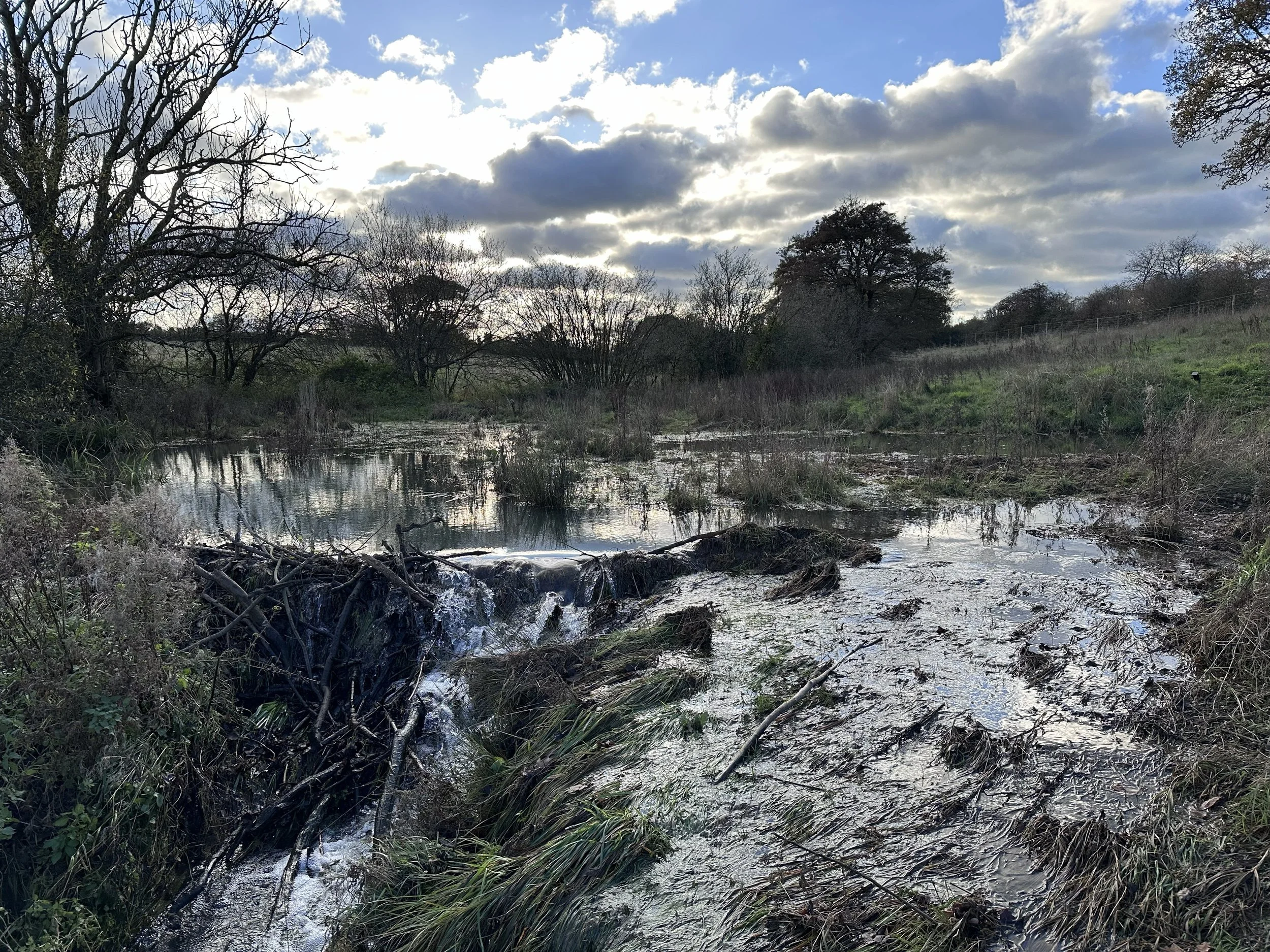
Beaver Dam November 2025. (Image credit: Heal Rewiliding).
Mindful of such criticism, Heal Rewilding has a clear focus on making sure that its rewilding sites benefit as wide a range of people as possible, thus it is committed to “acquire sites within reach of urban populations and those with poor access, ensuring that rewilding is accessible to everyone, especially those living in underserved communities.” It has also been a crucial part of the charity’s approach so far to engage with a wide variety of stakeholders – including local communities, farmers and landowners – to ensure any tensions are minimised. They have taken further steps to ensure they are engaging people in their work, too, such as establishing the Heal Future Advisory Panel: a group of 18- to 25-year-olds who have helped to shape decisions across five key organisational areas.
Heal Rewilding’s efforts at their flagship site in Somerset have already paid dividends in terms of biodiversity and nature. The removal of land drains and the creation of new scrapes has brought back wetland birds, and the reintroduction of wild flowers on pastureland that was previously intensively farmed has seen insect numbers rise substantially. There have also been real human benefits: in 2024 nearly 300 people from underserved communities visited the site, including people living with dementia, low-income families, young carers and those experiencing poor mental health. One volunteer reported that a lady who had recently moved to England with her family shared that her son had barely spoken since arriving in the country, and that during his visit to Heal Somerset was the most she had heard him say for months.
As the Heal Somerset site develops over time, the hope is that these benefits to people and nature continue to grow. And if the charity is able to realise its ambition of creating similar sites in every English county, the potential impact could be enormous.