Look UK
Support from a philanthropist helped a charity to survive through a challenging time and refocus its work to become a thriving resource for young people with visual impairments.
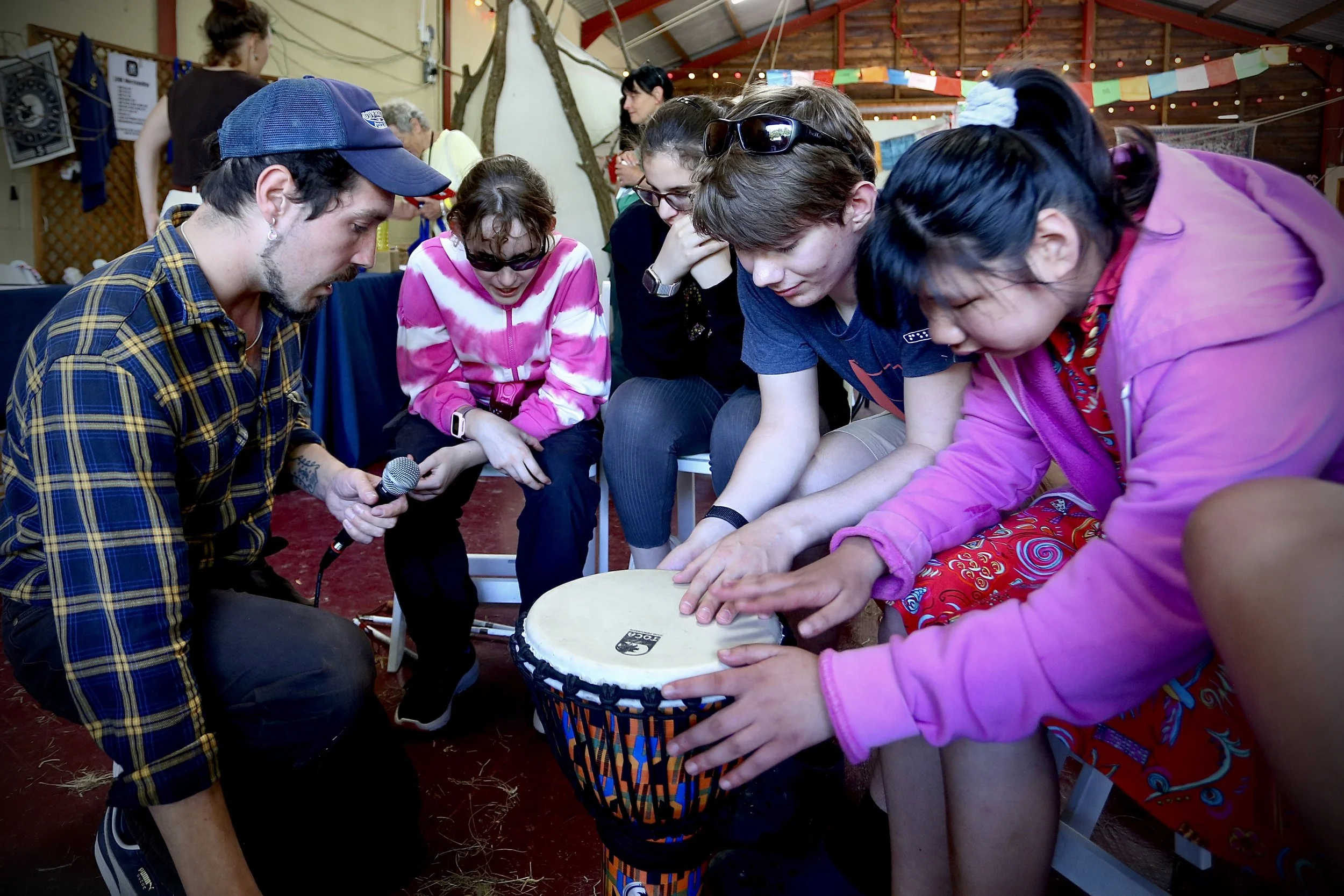
Visually impaired children and their families face a wide range of challenges, from finding suitable schooling to accessing available benefits. But one challenge common to many such families of them is a sense of isolation that comes from having to figure all of these things out on their own.
This was certainly what Jennifer and Gareth Bowen found back in the 1980s when their daughter Charlotte was diagnosed with a rare form of sight loss known as Stargardt Disease, aged 7. They were horrified at the lack of care and support they were given after Charlotte began to suffer from severe anxiety about attending school, her parents so they decided to create a charity as a way of connecting with other parents and families around the UK facing similar challenges.
The new charity, Look UK, was launched at an event in the House of Commons, with the help of Charlotte’s older brother, the BBC foreign correspondent Jeremy Bowen. This gave them a head start in terms of public awareness, and over the following years the family ran were able to use the charity as a way of connecting with and supporting other families with visually impaired children, which led to the creation a strong and vibrant community across the UK.
By 2015, however, the picture had shifted considerably. Both of Charlotte’s parents had long-since pulled back from direct involvement in Look UK, and the increasing challenges of raising funding meant that the charity’s trustees were now seriously considering closing the organisation down. When Charlotte heard this, she felt a strong emotional reaction:
“Look UK did so much for our family, and for so many families throughout the years, that I just was devastated when I heard it was going to close down. I knew myself the barriers that young visually impaired people face, and I had my own employment struggles over the years, so I knew that this charity could still do excellent work.”
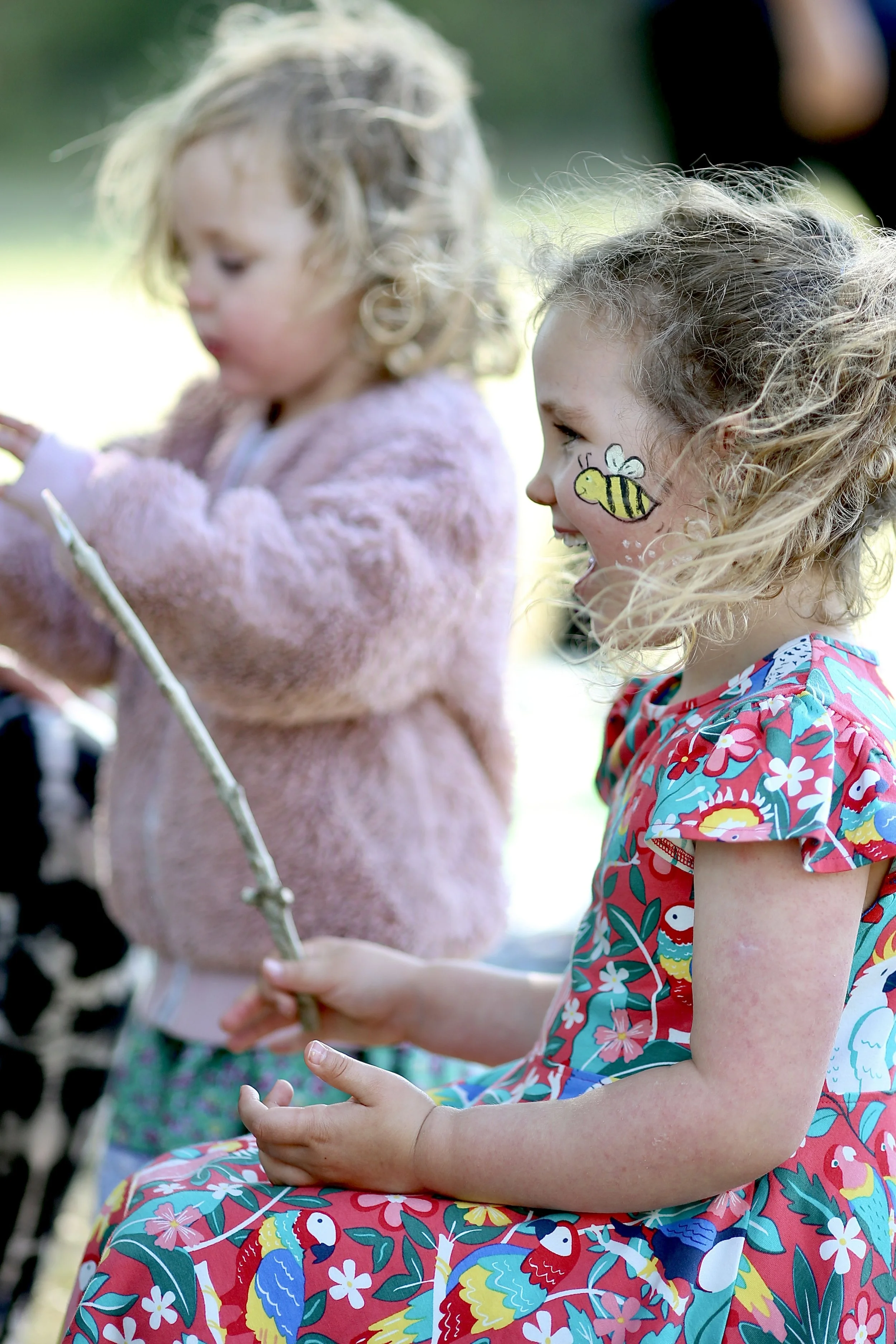
Children at a Look UK event. (Image credit: Look UK).
With this belief in mind, Charlotte made an offer to Look’s trustees: she was currently on maternity leave from her freelance job working in disability equality, so why didn’t she come and work for Look UK for a short while and see if she could help to get the organisation back on an even keel?
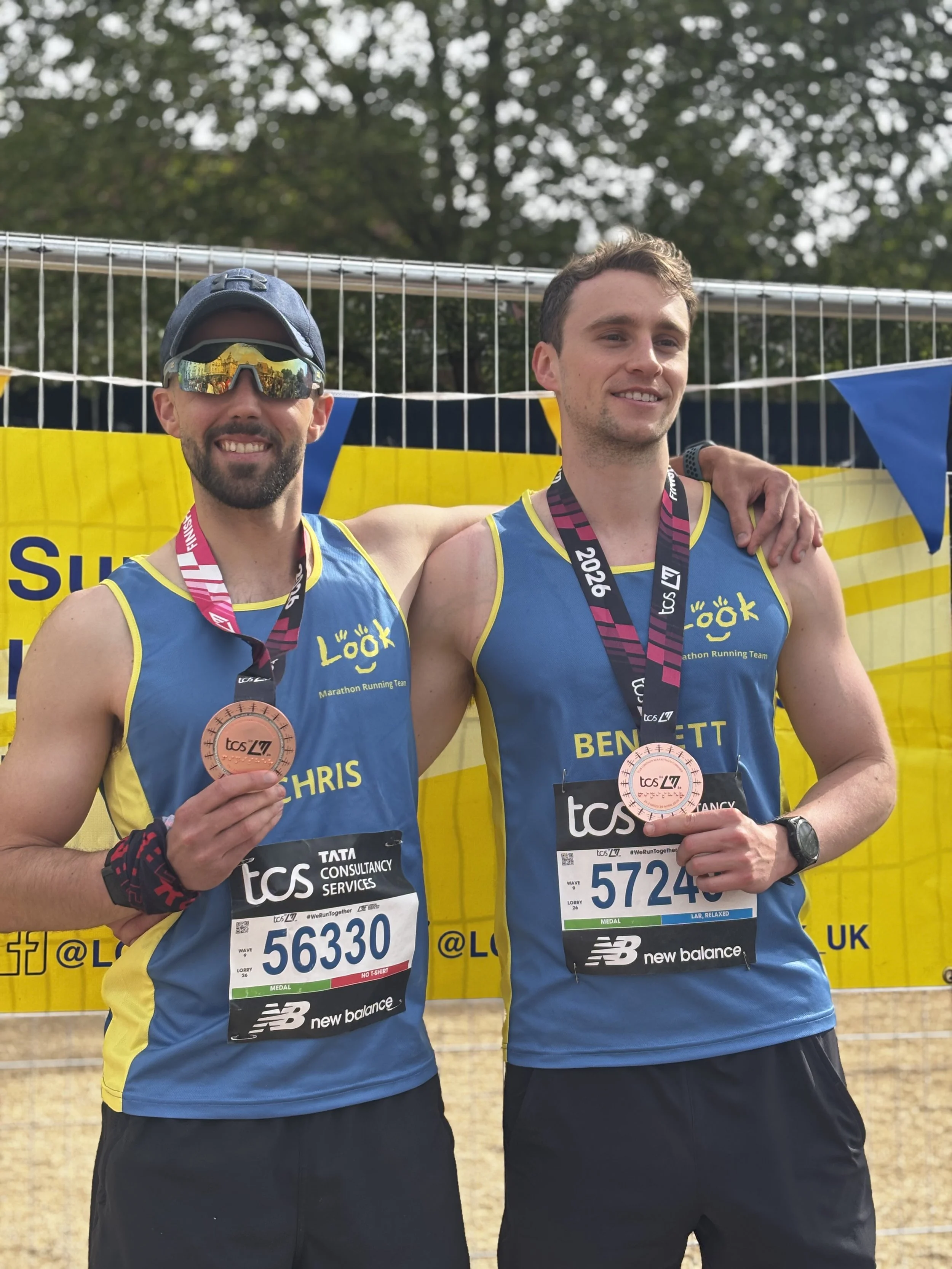
The trustees agreed, and gave Charlotte a year to see what she could do. She was able to get a relatively quick win by recruiting runners for the London Marathon. (Look UK has 25 runners each year, and they have always been a core part of its income). But she knew she still needed to do more - and that is when two things happened that were to change the course of the charity’s fortunes.
The first was that Charlotte moved to Hereford - where there happened to be a nearby FE college for visually impaired students. She was thus able to talk to a wide range of young people with visual impairments about what they need. This led her to develop the idea of a mentoring scheme, where young adults who themselves have visual impairments could be trained to act as mentors for children and young people dealing with the same challenges, which has become the centrepiece of Look UK’s work.
The second thing crucial thing that happened was that Charlotte was introduced to a philanthropist by another charity CEO. This philanthropist was immediately taken with her idea of a developing a mentoring scheme and advised her to put her ideas down on one page, which he then took to a foundation of which he was a trustee, as well as to a wide range of other funders that he knew. This resulted in Look UK securing funding in 2016 for a pilot of the new mentoring scheme. Over the following 3 years, Charlotte’s philanthropist stayed deeply connected – providing weekly support and guidance which helped her to secure further funding to continue the scheme after the pilot was successfully completed. For Charlotte, and for Look UK, this relationship was transformational:
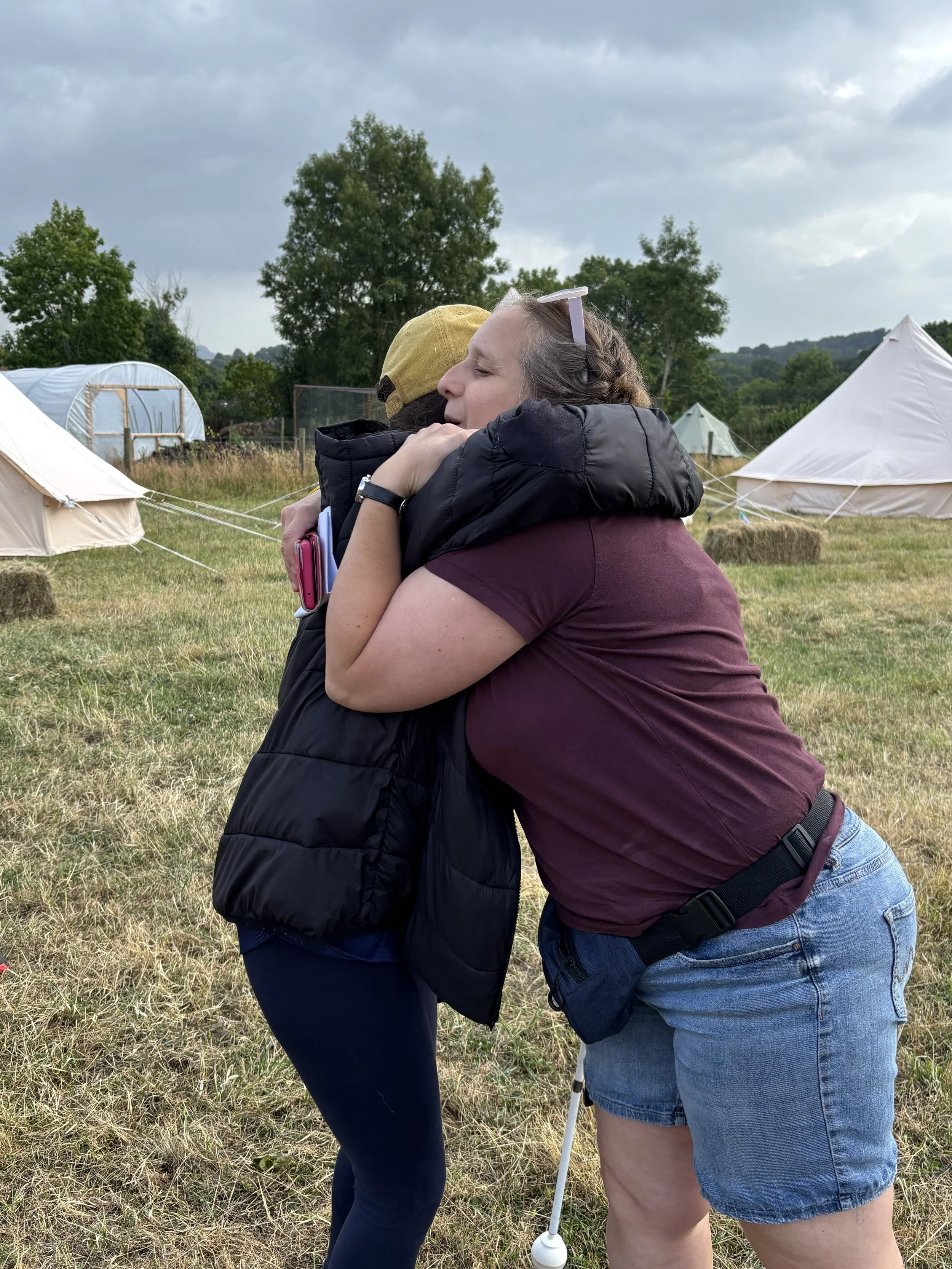
“I felt like I had a guardian angel who came into my life at a time where I really needed to meet that person. And I felt so, so lucky to have this individual who was willing to give time and support and commitment, and who has connected us with networks and funding. That has absolutely changed my life and the life of the charity.”
The philanthropist was clearly happy to use his time and networks to help Look UK, but at the same time he was wary of the charity becoming dependent on him so from the outset he encouraged them to plan for a time when his support would no longer be there:
“He made it really clear that he was going, so what we did is develop a proper fundraising strategy. We have now got 3-year funding from BBC Children in Need, from the National Lottery, and from other ongoing sources; and we're also making links with new foundations. So we're definitely in that second phase now.”
Look UK’s mentoring scheme has had a profound impact on the lives of both the children being mentored, as well as the young adults doing the mentoring. And many who start out on the scheme as mentees later go on to be mentors themselves. As one young visually impaired woman, Cait, explains:
“The LOOK mentoring project has changed my life from both sides of the partnership: building confidence and gaining support as a mentee, but also giving back, supporting, encouraging and guiding young people who remind me of my previous self as a mentor.”
None of which would have been possible without the help of a philanthropist who was willing to use their time and their networks to turn an idea into a reality.