The Rigby Foundation: Inspiring Futures
One family’s place-based approach to philanthropy is helping to provide new opportunities for young people in the West Midlands.
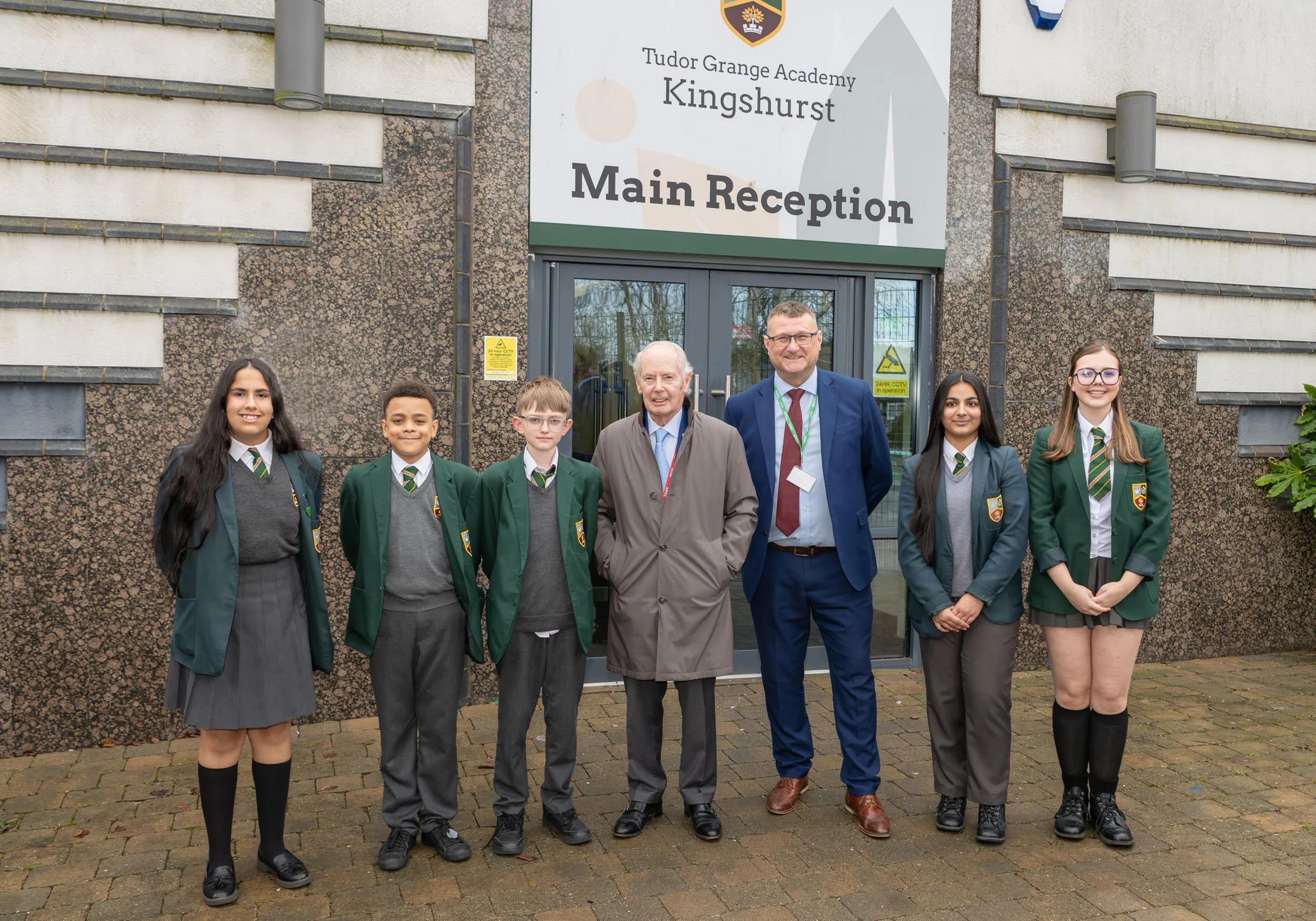
Pupils at one of the schools in the Inspiring Futures programme. (Image credit: The Rigby Foundation).
The Rigby family has deep roots in the West Midlands. Sir Peter Rigby founded the family company, Rigby Group, in Birmingham in 1975, and it has grown from relatively humble beginnings to become one of the top ten largest family firms in the UK. The group remains headquartered in Stratford-upon-Avon, and most of the family continue to live and work in the region.
When the family were reflecting on their philanthropy as part of the company’s 50th anniversary celebrations, it was perhaps no surprise, therefore, that they chose to double down on these ties to the region. The Rigby Foundation had been supporting charities in the West Midlands since 1992, but in 2023, led by Chairman Steve Rigby, they took the decision to refocus their efforts on becoming a place-based funder, providing specific support for disadvantaged young people across the region. With this ambition in place, the Foundation brought on board a new Executive Director (its first member of staff) and began to plan its next steps.
The Rigby Foundation didn’t want to make assumptions about what they should be doing or what was most needed, so one of the first things they did was to commission the Centre for Social Justice Think Tank to carry out research to better understand the context for young people in the West Midlands, which could provide a solid evidence base for their funding strategy. This research showed that the region had distinct challenges as well as opportunities.
Birmingham, for instance, can claim to be the ‘youngest city in Europe’, with nearly 40% of its population under the age of 25. The region as a whole has also demonstrated strong economic growth in recent years. Yet at the same time, 130,000 children in Birmingham are living in poverty; the region still has one of the highest proportions of people who have no qualifications; and almost one in five young people in Birmingham are unemployed, which is much higher than the UK national average.
Based on the CSJ’s research, The Rigby Foundation began to support a number of evidence-based charities already working in the region, with funding focussed on students and education partners where help was most needed.
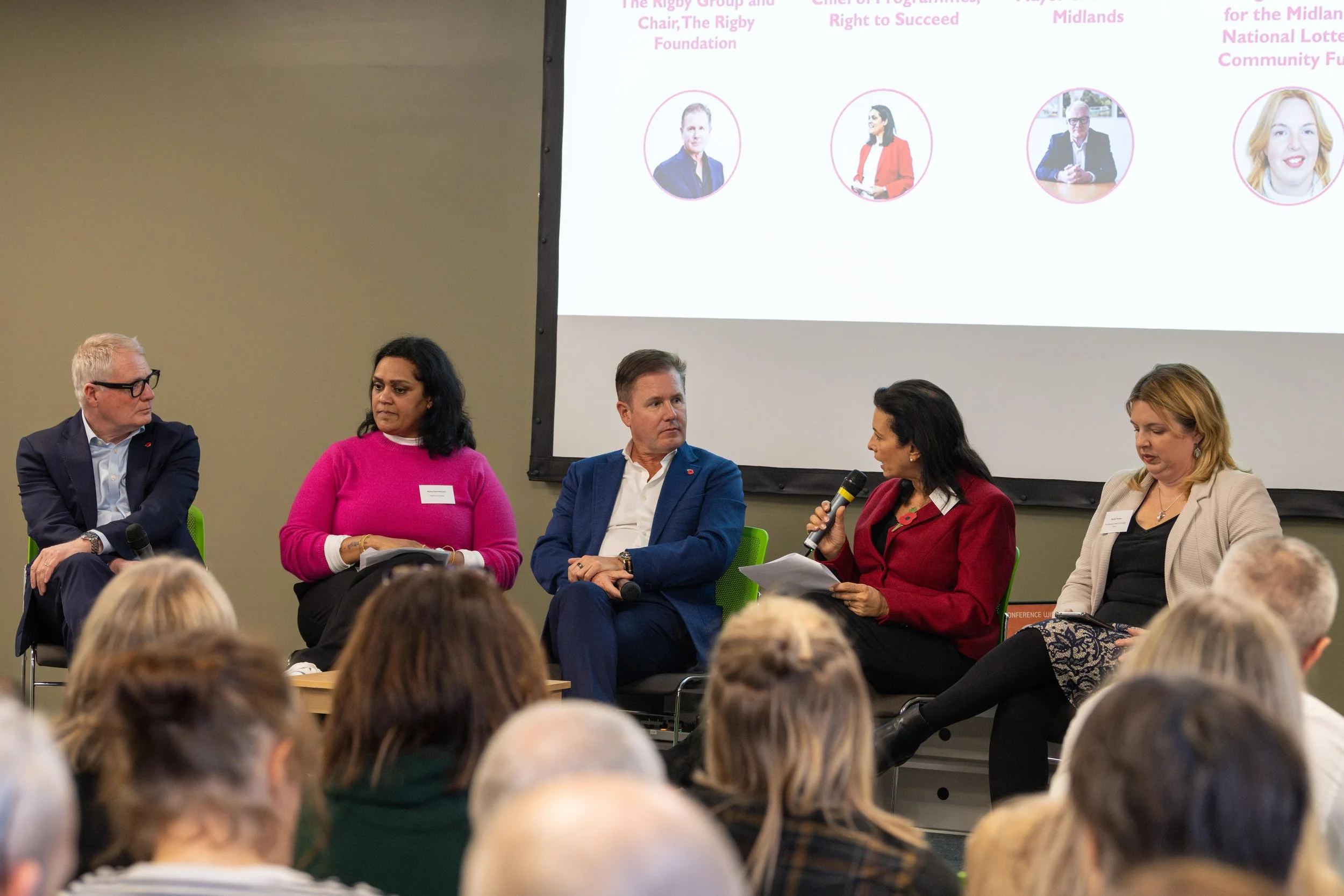
Steve Rigby (middle of picture) speaking about the Rigby Foundation’s work at a conference. (Image credit: The Rigby Foundation).
The Foundation Trustees felt that many of the issues impacting young people in Birmingham were not being addressed, so to fill some of these gaps they created a new project called ‘Inspiring Futures’. Through this programme, 10 education partners in the West Midlands are each given £100K per year for three years, which they can spend as they see fit on services provided by 10 leading charities. These charity partners include Place2Be, which provides mental health support and counselling; DebateMate, which teaches presentation and leadership skills through debating; Action Tutoring, which provides in-school Maths and English tutoring programmes to close the attainment gap between pupils from less advantaged backgrounds and their more affluent peers; and Ahead Partnership, which focuses on bridging the gap between education and the world of work.
The Rigby Foundation has committed £3 million in total to Inspiring Futures, and the aim is to support at least 1,000 students every year (a goal that has already been exceeded in Year 1). The programme will also be independently evaluated by the National Foundation for Education Research, to see if it is working and what kind of impact it is having.
In addition to Inspiring Futures, The Rigby Foundation is also continuing to look for other opportunities to put its place-based focus into practice. This includes bringing “Cradle to Career” to the West Midlands. Cradle to Career is a community-based initiative first devised and developed in Liverpool by the charity Right to Succeed. It operates at a ward level and brings together local residents, professionals and leaders to identify what support is available to young people in the area and what more they need. The model includes a 12-month long initial discovery phase, designed to build trust and to give the local community a real sense of ownership of the plans that are developed.
The Cradle to Career model has proven very successful in Liverpool, so when Steve Rigby heard about it, he was very keen to bring it to the West Midlands. To make that happen, The Rigby Foundation committed £100K of funding per year for four years for the first two wards. But perhaps even more importantly, the Rigby family were able to use the convening power they had built up over many years in the region to bring together representatives from local government as well as other funders. Through doing this, they were able to unlock over £6 million of additional funding, and to establish a strategic partnership with West Midlands Combined Authority.
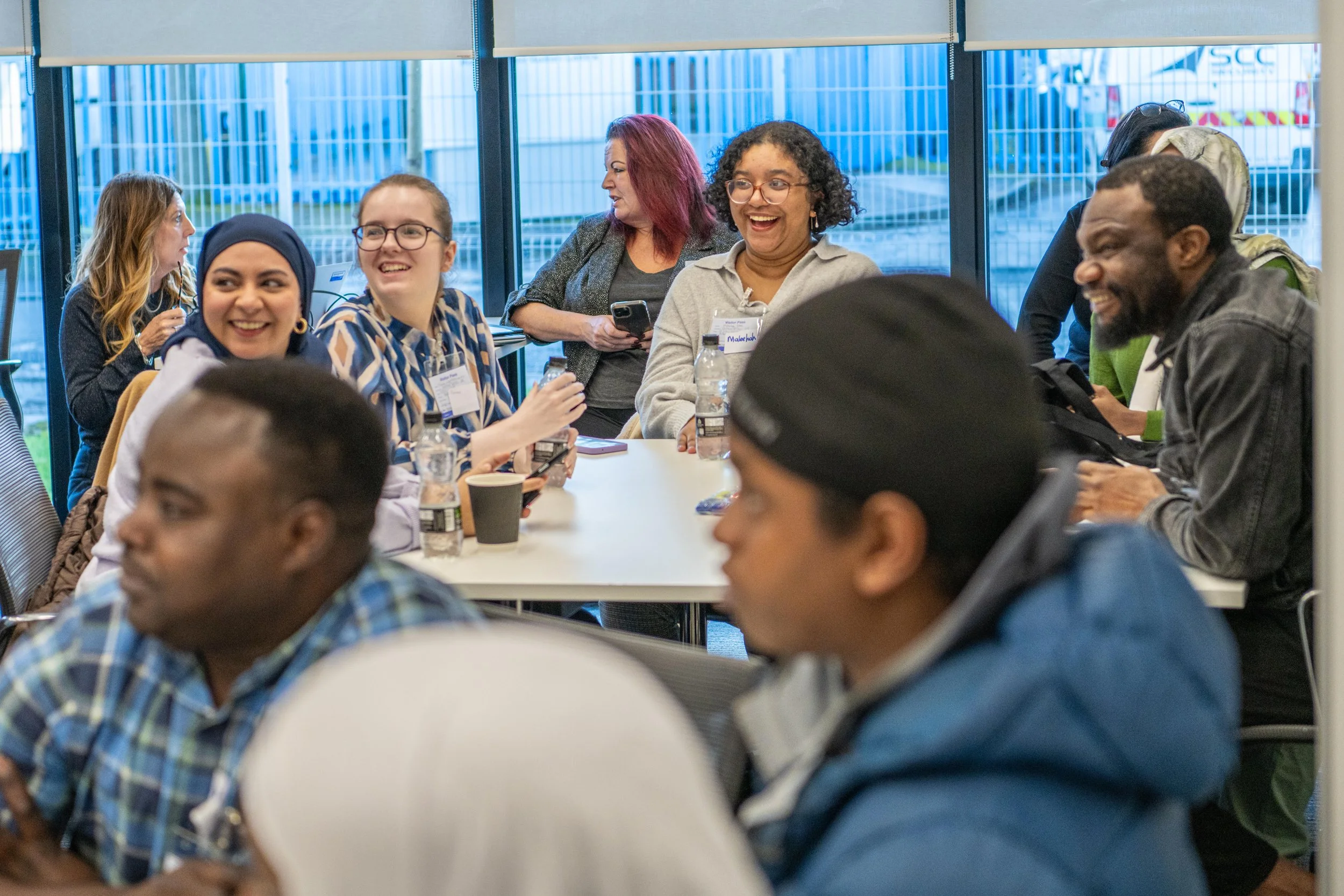
Participants in a Cradle to Career community engagement session. (Image credit: The Rigby Foundation).
The Rigby Foundation is still relatively early on in its journey as a targeted, place-based funder, but has made substantial commitments so far that are already having a real impact on the lives of young people in the West Midlands. The hope is that this impact will amplify over time, as existing projects develop and new opportunities come to light.
Steve Rigby’s ambitions don’t end there, however. He is also keen have a wider impact on philanthropy in the UK, by demonstrating to other potential donors around the country the value that taking a place-based approach can bring.
“My family’s funding commitment in the region is substantial and I believe we are establishing ourselves as a national exemplar for place-based giving. I hope we can inspire policy makers and other philanthropists across the country to consider a place-based approach to achieve lasting, transformational change.”