RSPCA & Katherine Martin Trust
A legacy left nearly 70 years ago has become an £18m gift for the RSPCA - which is being used to fund a pioneering new centre for research into animal welfare and a flagship RSPCA veterinary centre for the North-West of England.
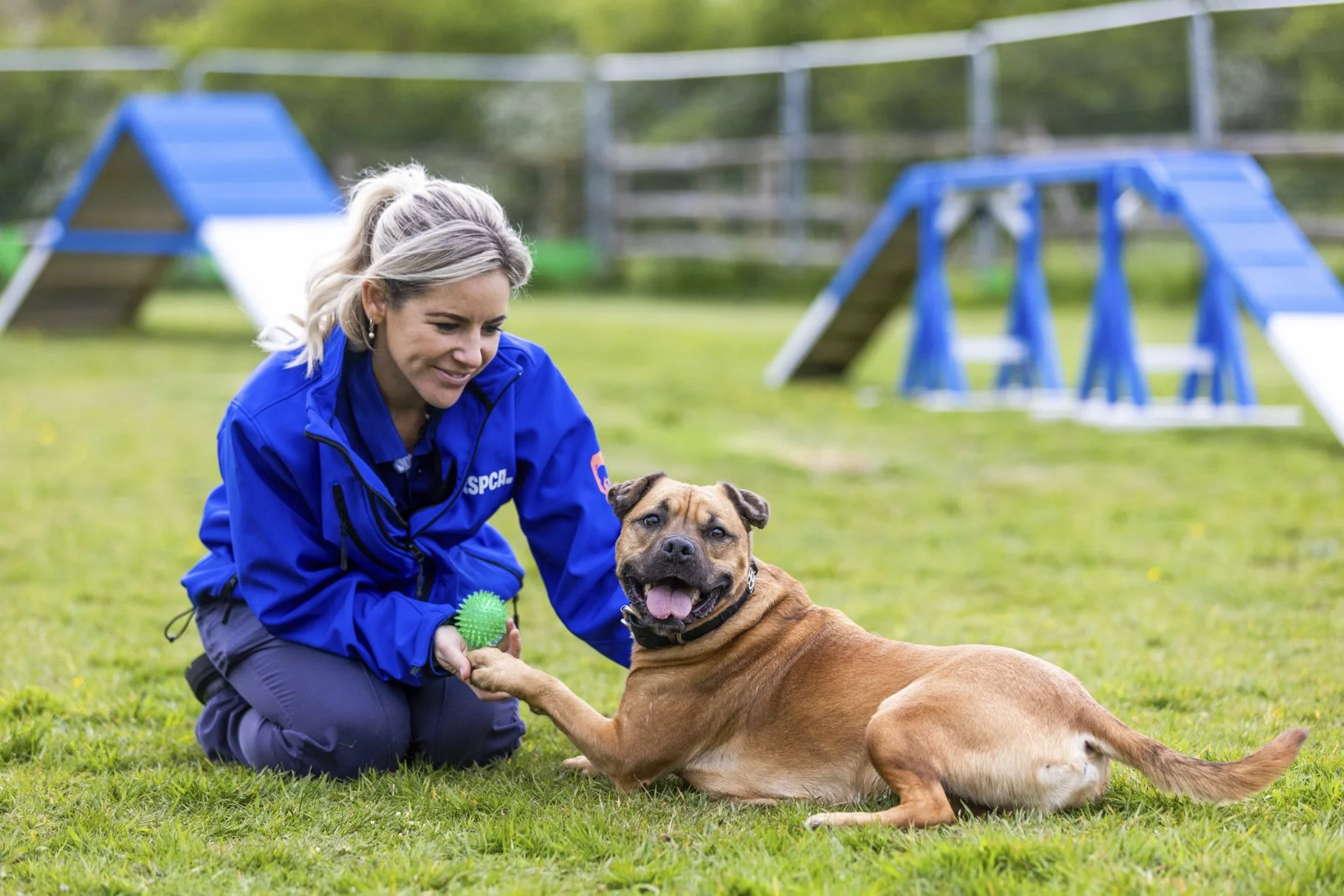
Dog training at an RSPCA centre. (Image credit: RSPCA).
The UK prides itself on being a nation of animal lovers, and for more than 200 years the RSPCA has been a vital reflection of this identity. Yet despite doing an enormous amount of work to raise awareness of the plight of animals and to rescue them from harm, the charity has long been aware that there is still a gap in our understanding of why animal cruelty happens, and what we do to address its root causes. For an organisation whose core mission is to prevent animal cruelty from happening in the first place, rather than simply dealing with its after-effects, this presents a challenge. But as of 2025, that might be about to change, thanks to a landmark £18 million gift which looks set to transform the RSPCA’s work.
The donation in question comes from the Katherine Martin Charitable Trust, and £6 million of it is being used to help fund the development of a pioneering new Animal Welfare Evidence Centre, which the RSPCA is developing in partnership with three other nonprofit organisations (Four Paws, Compassion in World Farming and Humane World for Animals). The centre, which is due to open in 2026, will explore the relationship between humans and animals and what drives the way we use them in sport, fashion, entertainment, or as food. It will also look at how animal welfare is linked to other key issues, such as health or housing. The aim will be to develop a new evidence base which can be used to design new interventions, inform policymaking, and change established practices.
The story behind this transformative gift goes back a long way. Katherine Martin was a pioneering female racing driver and businesswoman in the early 20th century, and the wife of Lionel Martin – one of the founders of the car company Aston Martin. Katherine was also on the board of the company, and heavily involved on the commercial side of things (she even reputedly helped to design the company logo).
Both Katherine and Lionel were forced to leave Aston Martin in 1925 when the company temporarily went into receivership, but had other financial interests – including shares in a quarrying company called Singleton Birch. When Lionel died in 1945, Katherine inherited his shares, and when she herself passed away in 1958, she stipulated in her will that a new charitable trust should be created – The Katherine Martin Charitable Trust (KMCT) – which would become the majority shareholder in Singleton Birch, and which would use the profits generated to support three charities: the RSPCA, Barnardo’s and the NSPCC.
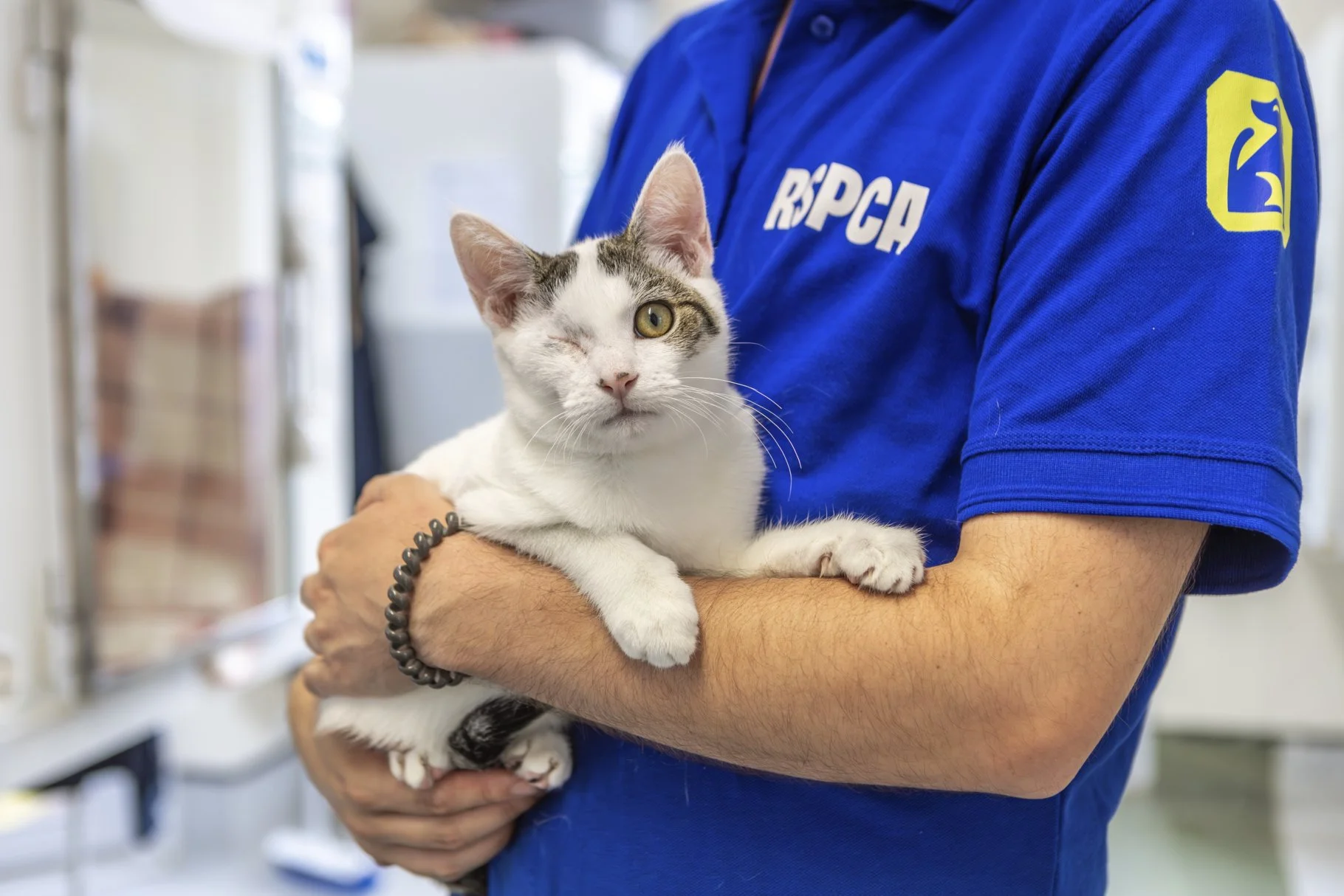
A cat receiving treatment at an RSPCA hospital. (Image credit: RSPCA).
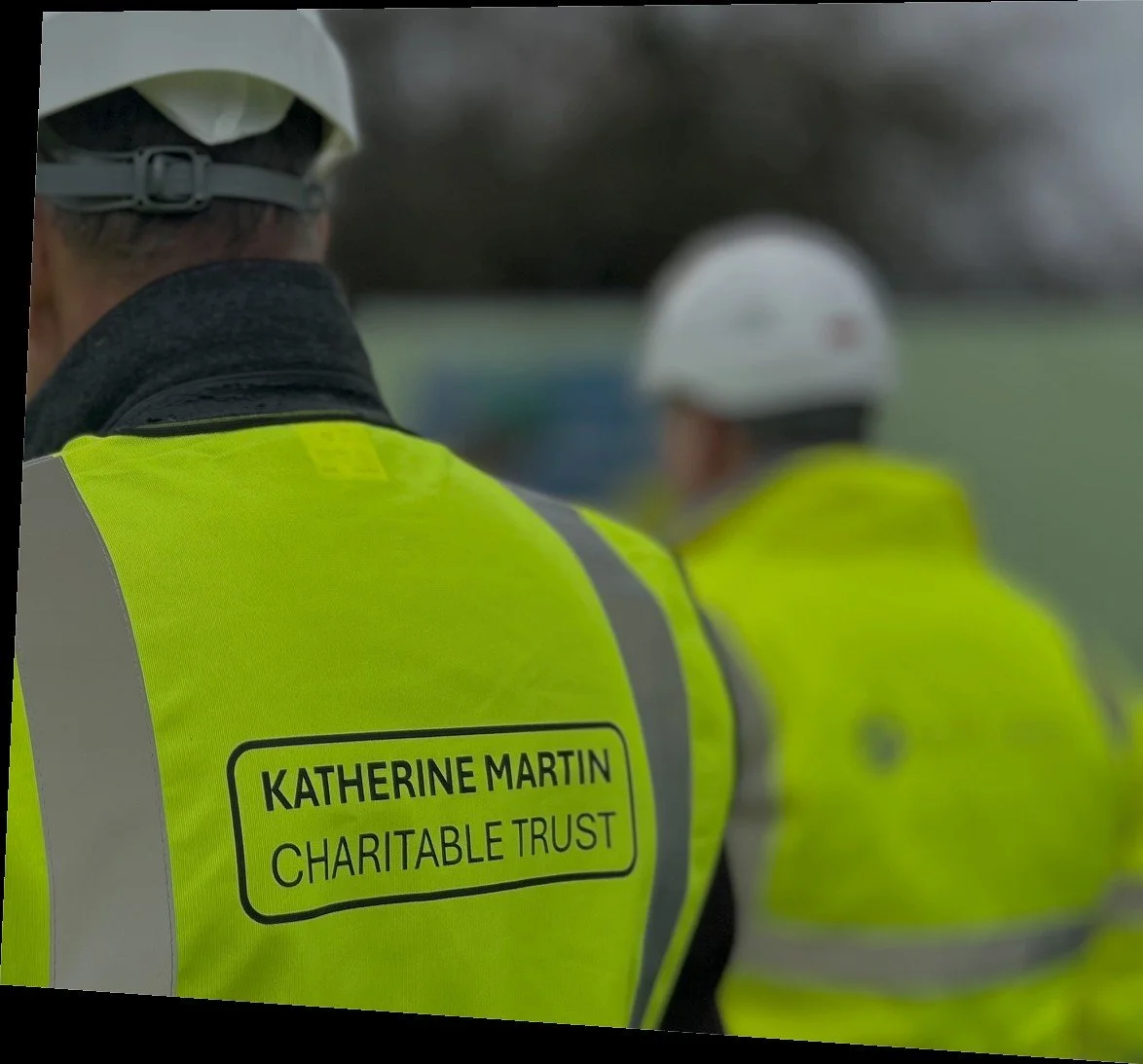
Singleton Birch went on to become the largest independent lime supplier in the UK and was eventually sold to a US company in 2022. This resulted in a significant payday, so the trustees of KMCT decided that rather than continuing to make grants solely out of the investment income on their endowment, as they had been up to that point, they would instead take this unique opportunity to give a series of transformative gifts to the charities they had long been supporting. As a result, the RSPCA, Barnardo’s and the NSPCC each received a gift of £18 million.
In addition to funding their new Animal Welfare Evidence Centre, the RSPCA intends to use the money it has received from KMCT to establish a new rescue and rehabilitation centre near Manchester. The North-West of England, together with West Yorkshire, suffers from the highest levels of animal cruelty in the country – 4,780 cats and dogs were taken into care from these areas last year, accounting for 31% of all cruelty complaints in England. Yet the RSPCA’s services in the region are currently very thinly stretched, particularly when it comes to rehabilitation services. To address this challenge plans are now being developed for a new £12 million state-of-the-art RSPCA centre in Greater Manchester. This will offer veterinary services, kennels and catteries, and rehabilitation facilities; and will also provide a base for the RSPCA’s inspection and enforcement work.
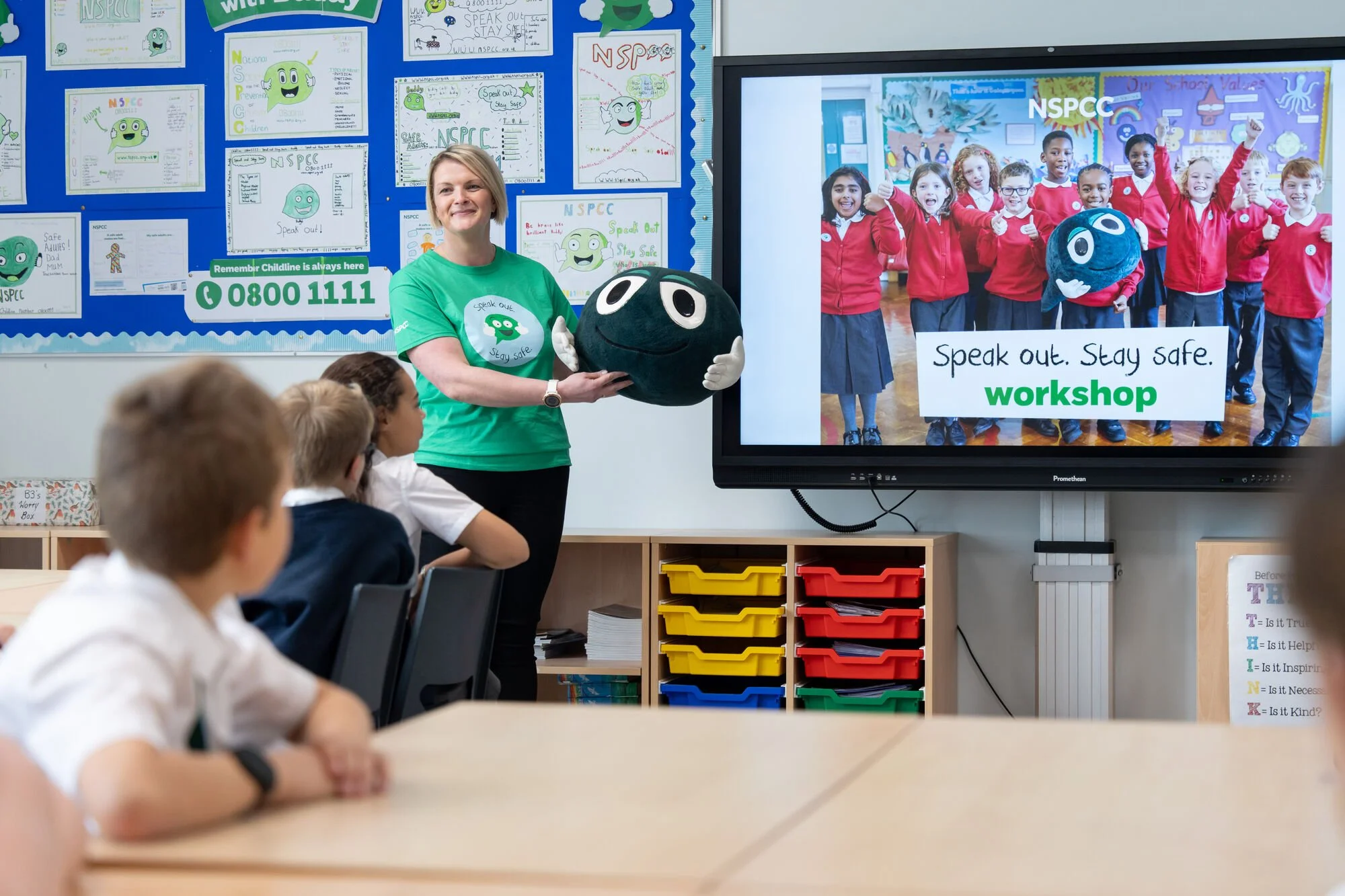
The £18 million grant from KMCT will clearly have an enormous impact on the RSPCA’s work, and it looks set to have an equally transformative effect on Barnardo’s and NSPCC too. Barnardo’s has announced that it will be using some of the gift – the largest single donation the charity has received in its history – to expand its Gap Homes programme, which provides housing and support for young people leaving care. Thanks to the money it has received from KMCT, the number of Gap Homes available across the UK will rise from 8 to 50. The NSPCC, meanwhile, will be using the money it has received to fund its ongoing work in Grimsby and North Lincolnshire (an area that KMCT has particularly supported over the years) and to support its wider work in schools around the UK.
Katherine Martin was, according to KMCT Chair of trustees John Richards, “a remarkable woman who believed in the power of philanthropy to change lives.” It was this belief that led her to leave a substantial portion of her wealth to charity in her will, and although she would not live to see the full impact of her giving, it has undoubtedly changed many lives and will continue to do so for years to come.