SolarAid & Turner Kirk Trust
Philanthropic support gave SolarAid “permission to fail” in an ambitious bid to bring electricity to every home in one of the remotest regions in Malawi.
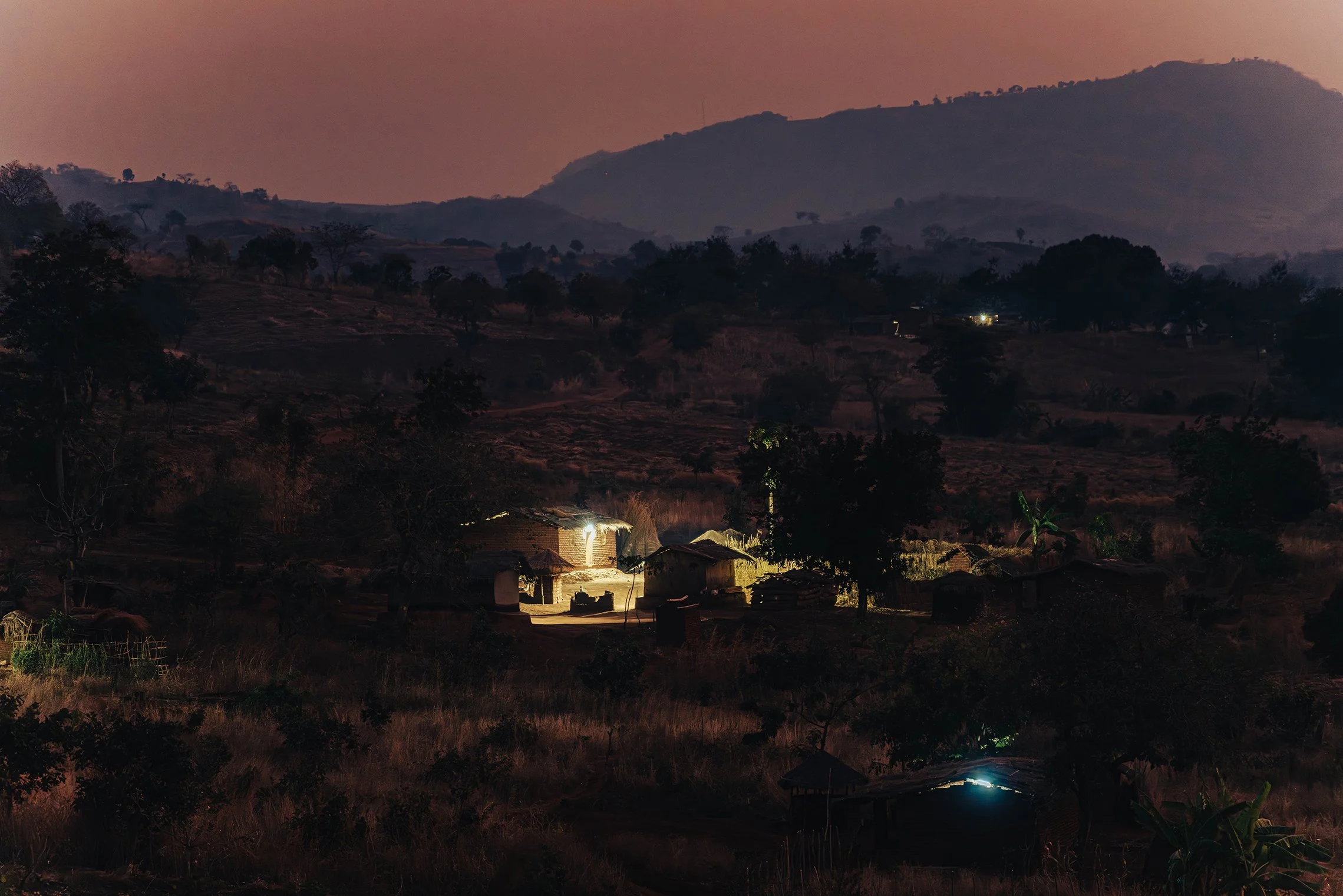
100% lighting in Kasakula. (Image credit: SolarAid)
Just think for a moment what your life would be like if you didn’t have electricity. Your thoughts might turn immediately to the loss of TV, or the lack of a fridge, but perhaps even more fundamental – so fundamental, in fact, that we largely take it for granted – is access to lighting. Yet for nearly 600 million people across Sub-Saharan Africa, this is their reality. They have no access to electricity in their homes, so are forced to live entirely by the rhythms of daylight and night or to rely on burning candles, kerosene or straw; all of which bring a host of safety and health risks.
The UK International development charity SolarAid has been working since 2006 to address this problem, by selling affordable solar lights across Malawi, Tanzania, Kenya and Zambia through its social enterprise SunnyMoney. In 2021 the charity wondered if it was possible to take this work a step further and bring electricity to entire communities, so it developed the idea for its “Light a Village” program.
Solar home kits, comprising solar panels and a full lighting system, were already widely available, but remained out of reach for many people across Sub-Saharan Africa because they simply could not afford the cost of installation. SolarAid’s idea was to provide these kits on a new Energy-As-A-Service model, where households could get one installed for free and then pay only for the energy they used – with the money then being used to fund maintenance and servicing. (Which would, in turn, be provided by trained customer service representatives from the local community, thus bringing further economic benefits).
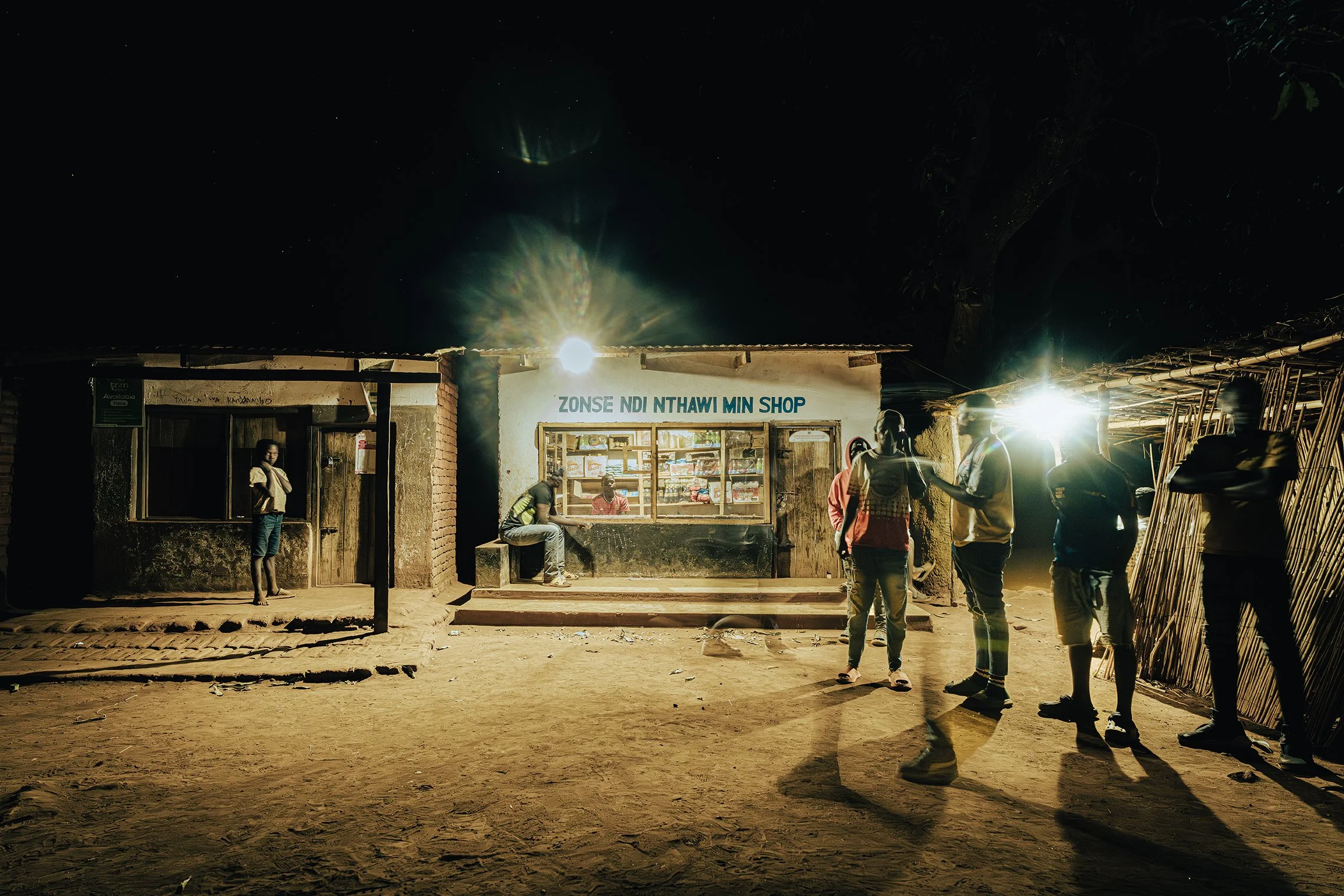
Light a Village, Kasakula, Malawi. (Image credit: SolarAid).
SolarAid’s years of experience working in Malawi led them in collaboration with the Malawian Government’s Ministry of Energy, to identify the region, known as a Traditional Authority, of Kasakula as an ideal place for a pilot. It is a large area of scattered rural villages, where 97% of people live below poverty line and there is less than 1% access to electricity. The aim of the pilot would be to install 500 solar home systems, and thus bring electricity to every home within a particular cluster of villages. But whilst the idea seemed sound, and the impact would potentially be enormous, it was still just an idea – so the charity needed to find a way of funding the pilot to see if it would work in practice.
This is when they got in touch with the Turner Kirk trust, a charitable foundation set up by Dr Ewan Kirk and his wife Patricia Turner. SolarAid had received some funding for an innovation project from the Turner Kirk Trust many years before, so were aware of the organisation’s core mantra of “giving charities permission to fail”: i.e. funding things that are high-risk and might not work, but which might be transformative if they do come good. SolarAid believed that the Light a Village project fit that bill; and Ewan and Patricia clearly agreed, as they immediately gave the charity £75,000 to run the pilot.
Barring some minor unforeseen challenges – such as rats developing a taste for the electricity cables in the solar home systems – the pilot was a big success, achieving its aim of bringing light to 500 homes. SolarAid was therefore keen to take things to the next stage, which would involve raising a £240K to install systems in a further 2,000 homes across a wider area in Kasakula.
They went back to the Turner Kirk Trust, who didn’t want to fund the whole of phase 2 of the project, but agreed to put up half if SolarAid could raise the rest. Armed with this promise, the charity went to a number of existing foundation and HNWI supporters to see if they would be willing to contribute. As SolarAid’s Director of Fundraising Richard Turner recalls, this proved to be one of the easier fundraising campaigns he had ever worked on: “I don't think I had a single one turn me down, because at this stage, we had photographs and we had stories - so we didn't have much data, but we had enough to say we think this is really viable.” As a result, Solar Aid raised the remaining £120K in only five months, and phase 2 of the project was delivered in 2023.
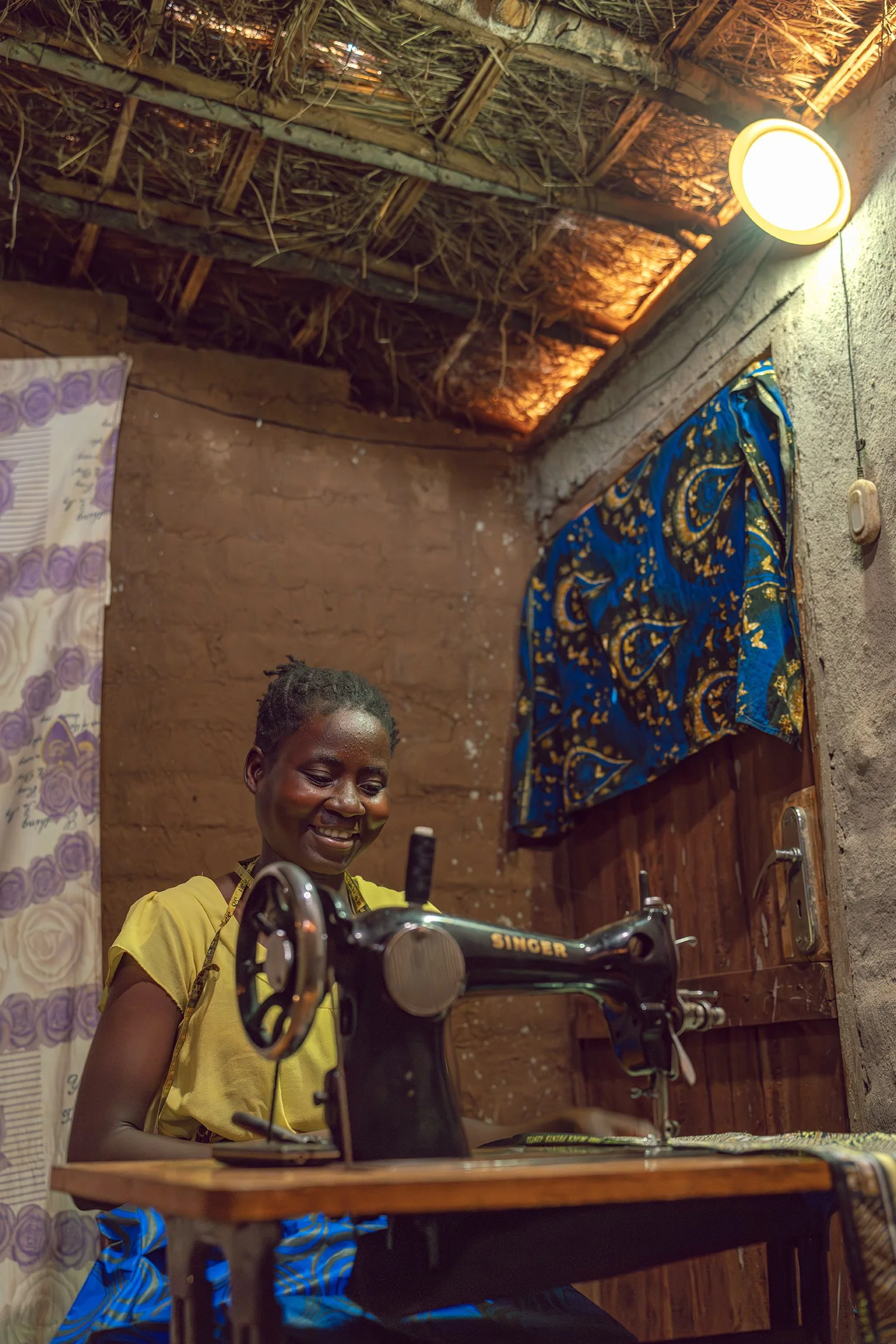
Ethel Bottomani, Light a Village - Malawi. (Image credit: SolarAid).
The final phase of the project would be to bring electricity to all 8,813 households in Kasakula, which would need £600K of further funding. Again, this proved to be relatively straightforward, as the success of phases 1 and 2 allowed SolarAid to demonstrate both the need and the impact of their solution, along with data and evidence, so they were able raise the money from a group of 9 big funders. Phase 3 was successfully completed on 26 August 2025, so all 8,813 households in Kasakula are now equipped with solar home systems, as well as12 schools and thelocal clinic. The charity has also recruited 80 local community agents to service and maintain the systems, and has begun piloting productive use of energy like solar irrigation pumpsand clean cookstoves that could bring further benefits to peoples’ lives and to the environment.
The impact of access to solar powered lighting on the lives of the people of Kasakula has been enormous. Not only are people paying less for electricity than they would have had to spend on candles and Kerosene; they are also able to work longer into the evenings and thus earn more. Children can now study safely in the evenings, so there has been a marked improvement in the number of girls continuing their education in primary schools. The fact that people are no longer forced to rely on Kerosene or burning straw for light also brings big health benefits, as people are not inhaling toxic fumes, and it massively reduces the risk of domestic fires (which was a widespread problem before). Everyone feels safer at night too, as it is easier to spot dangerous animals like snakes, scorpions as well as putting off hyenas, who dislike the light, or helping to identify strangers; as a result, people are able to spend longer together in the evenings, thus strengthening both families and the community. As Thauzeni, a 27-year-old man from Chindapa Village in Kasakula explains:
“With access to light, our village will become more vibrant and active during the evenings. People will have more opportunities to engage in productive activities, such as studying, working, or starting small businesses. It will create a sense of unity and progress within our community.”
Now the villages across Kasakula need no further charitable support to have access to basic electricity powered by solar energy in their homes. The affordable fees paid by each household runs the servicing and maintenance of the project.
Having seen the success of the Light A Village project, and the impact it has had on the lives of the people of Kasakula, the Government of Malawi now wants to expand the program to whole of Ntchisi district, with the aim of bringing electricity and lighting to more than 100,000 homes in the area. At this kind of scale, the funding will probably need to come from the World Bank or from government development agencies; but without philanthropy having been there at the beginning and willing to take the necessary risks, this ground breaking model would almost certainly never have been possible in the first place.